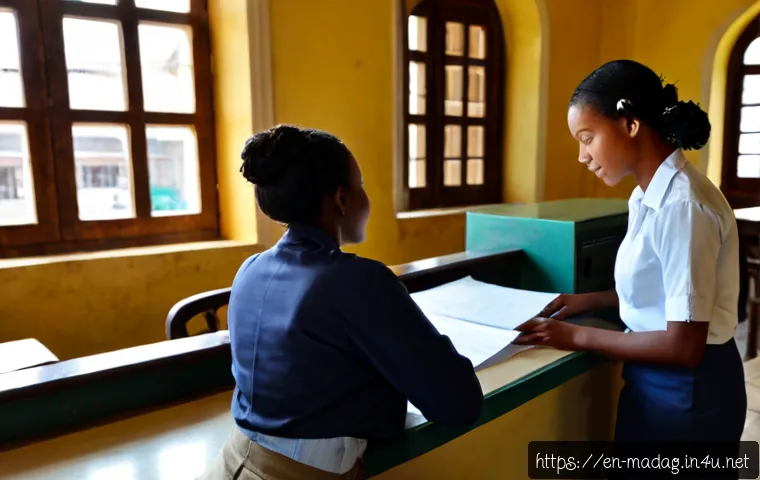
French is useful in Madagascar, especially for administration, education, urban business, and many formal settings. However, Malagasy remains the primary language for everyday communication, particularly in rural communities.
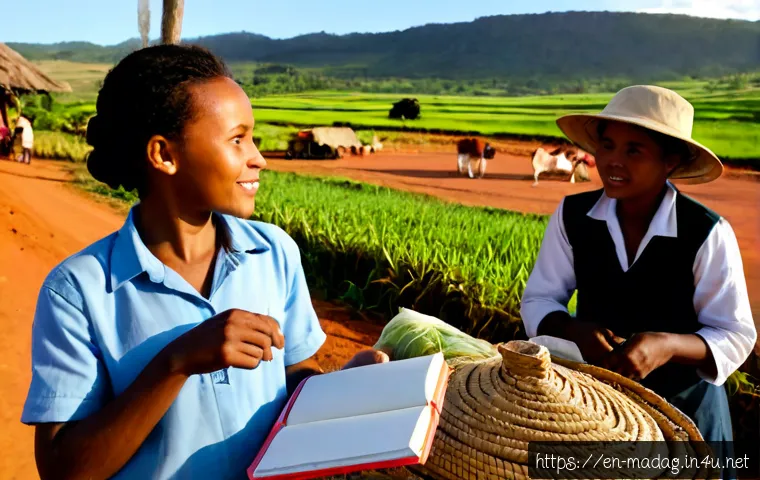
For short city trips, French may cover many practical needs, but it should not be treated as a universal solution. Travelers heading beyond major urban areas, researchers meeting local communities, and organizations handling local operations should plan for Malagasy-language support.
A French-speaking guide, interpreter, translation provider, or language course can be a practical choice when the task involves formal documents, local coordination, or remote travel.
At a Glance
- French is useful in formal, urban, educational, and professional environments.
- Malagasy is essential for many daily conversations and is often more practical in rural communities.
- English availability varies, so confirm language support with each hotel, guide, office, or business contact.
| Situation | French Usefulness | Malagasy Usefulness | English Usefulness | When Support May Help |
|---|---|---|---|---|
| Government offices and formal paperwork | High | Useful for local discussion | Variable | Translated documents or an interpreter may prevent delays. |
| Hotels, tours, and city restaurants | Often useful | Useful | Depends on the operator | A French-speaking guide can be enough for many city-based plans. |
| Rural travel and community visits | Can be limited | Often most practical | Often limited | A Malagasy-speaking local liaison is the safer option. |
| Business meetings and professional settings | Frequently useful | Important for local relationships | Variable by industry and contact | Bilingual meeting support may be worthwhile for detailed discussions. |
The Short Answer: How Useful Is French Across Madagascar?
French is one of Madagascar’s official languages and has an important place in administration, formal documents, education, media, and professional life. It is most visible in cities and among people with formal education or international business exposure. Still, French is not the main everyday language for everyone, everywhere.
French Is Official, but Malagasy Leads Everyday Communication
Malagasy is the country’s primary national language and is widely used in daily communication. A visitor may find French useful when arranging services, discussing a formal booking, handling documents, or attending a professional meeting. In ordinary local conversations, however, Malagasy may be the language that creates the clearest connection.
This difference matters because language needs are shaped by region, age group, occupation, school background, and the type of service being used. Do not assume that a person who can welcome visitors in French will also be comfortable handling a detailed discussion, a contract, or technical instructions in French.
What Visitors and Organizations Should Expect Before Arrival
A French-based plan can work well for some city stays, formal appointments, and internationally connected organizations. For a more complex itinerary, it is sensible to confirm language arrangements in advance. Ask whether the guide, accommodation, driver, school, office, or partner organization can communicate in French, Malagasy, English, or a combination of these languages.
For travel planning, do not rely only on a general claim that a service is “French-speaking.” Confirm whether support is available during transport changes, rural visits, emergencies, document reviews, and conversations with local communities.
French, Malagasy, and English by Situation
Government Offices, Formal Paperwork, and Public Administration
French has an important role in government administration and formal documentation. It can therefore be useful when dealing with official procedures, education-related records, organizational paperwork, or professional correspondence. Yet practical conversations around an office or local procedure may still involve Malagasy.
When a document has legal, operational, academic, or partnership importance, consider using translated documents or a qualified interpreter rather than relying on informal summaries. The goal is not merely to understand the main point; it is to reduce the risk of missing conditions, requests, or local process details.
Hotels, Tours, Transport, Restaurants, and City Services
French can be useful in tourism, particularly in urban and visitor-facing settings. That said, English availability differs by location, operator, and traveler segment. A hotel or tour operator may offer English support while a smaller local service may not, and language coverage can differ even within the same destination.
For a short city stay, French may be enough for many practical needs. For a multi-stop itinerary, ask providers directly about their working languages. A French-speaking guide may be a good fit when the schedule is mainly tourism-focused and conversations are not expected to require Malagasy-first local coordination.
Schools, Universities, Employers, and Professional Meetings
French has a recognized role in education and professional settings, making it valuable for students, researchers, employers, and visiting teams. It may help with classroom environments, formal introductions, written materials, and meetings involving internationally connected organizations.
However, the right level of support depends on the work. A simple introductory meeting may be manageable in French, while field research, hiring discussions, staff training, or local partnership work may require someone who can move comfortably between French and Malagasy. English should be confirmed rather than assumed.
When Language Support Is Worth the Cost
Situations Where a French-Speaking Guide May Be Enough
A French-speaking guide can be a practical option for travelers staying in cities, visiting established attractions, or arranging standard tourism services. It can also help visitors who need assistance with schedules, restaurant communication, local transport coordination, and general orientation.
This option is most suitable when the trip is straightforward and the guide’s language ability matches the actual itinerary. Before booking, confirm whether the guide will personally accompany you throughout the trip or whether some services will be handled by other local contacts.
When a Malagasy Interpreter or Local Liaison Is the Safer Choice
A Malagasy interpreter or local liaison is often more appropriate for rural itineraries, community visits, field research, local recruiting, and projects involving frequent communication with residents. In these situations, Malagasy may be more practical than French for daily interaction and relationship building.
This is also a sensible choice when the consequences of misunderstanding are high. For example, organizations coordinating local activities may need someone who can explain plans clearly, gather responses accurately, and identify when a French-only conversation is not reaching everyone involved.
What to Confirm Before Booking Translation or Travel Services
Before choosing a translation service, interpreter, guide, or business travel provider, confirm the language pair and the work scope. Ask whether support is for spoken conversations, written documents, local logistics, formal meetings, or all of these.
Useful questions include:
- Is the support person comfortable working in French and Malagasy?
- Will the itinerary include rural communities or local offices?
- Does the assignment involve technical, academic, or formal documents?
- Will English be needed, and at which stages?
- Who will handle communication if the primary guide or contact is unavailable?
Practical Communication Mistakes to Avoid
Assuming French Is Equally Common in Every Region
French visibility is generally stronger in cities and formal environments. It should not be treated as equally practical across every region or community. A rural stop added to an itinerary can change language needs considerably, even when the rest of the trip is French-friendly.
Relying on English-Only Plans Outside International-Facing Services
English may be available through certain tourism operators, international business contacts, or visitor-oriented services, but availability varies. An English-only plan can become fragile when transport changes, informal conversations, local arrangements, or smaller service providers are involved.
Using Untranslated Documents for Local Procedures or Agreements
Documents can carry details that are easy to overlook when communication is informal. If paperwork affects a project, school arrangement, business relationship, or local procedure, use language support appropriate to the task. Clarity is usually more valuable than speed when the document has ongoing consequences.
Language Planning by Traveler or Project Type
Independent Travelers and Short City Stays
Travelers with a short, city-focused plan may find French useful for bookings, dining, tours, and general questions. Confirm English availability where needed, especially before making arrangements with individual operators. Keep expectations flexible if the trip includes services outside the main visitor route.
Rural Itineraries, Community Visits, and Field Research
For rural travel, community engagement, and field research, Malagasy language support should be treated as a practical planning priority. A local liaison can help with introductions, daily coordination, and communication that may not be well served by French alone.
Business Visits, NGO Work, Study, and Long-Term Relocation
For longer stays or professional projects, French can be important for formal communication, education, and workplace settings. At the same time, Malagasy support may be necessary for staff interaction, community relationships, field operations, and everyday life. A combination of French skills and trusted local language support is often more resilient than choosing only one language.
Choosing Language Support: A Quick Comparison
French-Only, Bilingual Assistance, and Malagasy-First Support
French-only support may suit urban tourism, formal appointments, and limited professional engagements. Bilingual French-Malagasy assistance is better for business meetings, administrative tasks, education-related coordination, and travel that mixes cities with local communities. Malagasy-first support is the stronger choice for rural work, community-based visits, and projects where everyday local communication is central.
Decision Checklist for Budget, Location, Duration, and Task Complexity
Choose language support by looking at the real task rather than the official-language status alone:
- Location: Is the plan mainly urban, rural, or mixed?
- Duration: Is this a short visit or a long-term relocation or project?
- Task complexity: Are you handling casual travel, formal paperwork, research, or negotiations?
- Communication risk: Would a misunderstanding cause a delay, missed arrangement, or relationship problem?
- Language coverage: Has the provider confirmed French, Malagasy, and English capabilities for your specific needs?
For guides, translation providers, language courses, and business travel services, check the provider’s detailed language coverage and assignment conditions before booking.
Conclusion
French is genuinely useful in Madagascar, particularly in formal settings, cities, education, administration, and professional environments. But Malagasy remains central to many everyday interactions and can be especially important outside urban areas. The best plan is based on where you are going, who you need to speak with, and what happens if communication is unclear. For simple city travel, French may be sufficient; for rural, professional, or community-focused work, bilingual support can make planning more reliable.
Useful Things to Know
1. Official-language status does not mean equal day-to-day use in every setting.
2. Ask individual hotels, guides, offices, and partners which languages they can support.
3. A French-speaking guide and a French-Malagasy interpreter serve different needs.
4. English may be available in some tourism and international-facing services, but it varies.
Important Notes
There is no single French proficiency level that applies across Madagascar. Language ability can differ substantially by region, age group, occupation, and educational background. The language capacity of a specific hotel, guide, government office, school, or business contact should always be confirmed directly. French-only communication may not be sufficient for a particular rural destination or local service.
Frequently Asked Questions
Q1. Can I travel in Madagascar using only French?
A1. French can be useful for city stays, formal arrangements, and some tourism services. However, Malagasy is often more practical for daily communication, especially in rural communities. Confirm language support for each part of your itinerary.
Q2. Is French or English more useful for tourists in Madagascar?
A2. French generally has a stronger role in formal and urban settings. English availability varies by location and operator, so it should not be assumed. Malagasy remains important for many local interactions.
Q3. When should a business traveler hire a French-Malagasy interpreter?
A3. Consider bilingual support when meetings involve local teams, community contacts, detailed procedures, field operations, or formal documents. It is particularly useful when clear communication matters beyond an initial French-language introduction.