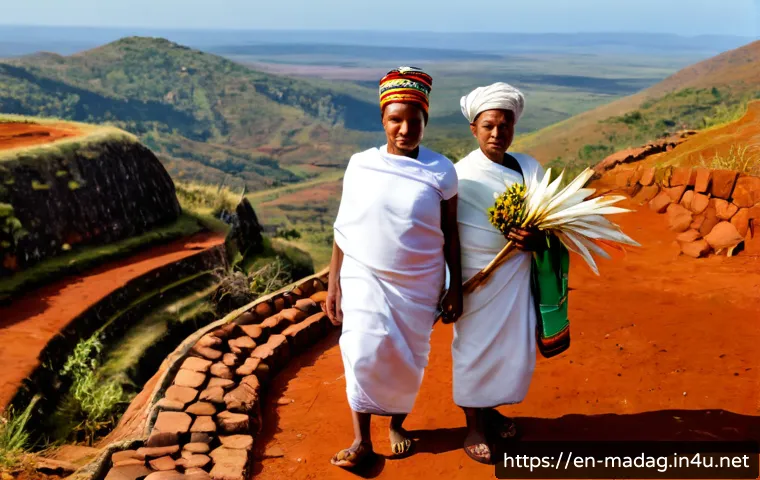
Madagascar’s funeral traditions often reflect an enduring relationship between families and their ancestors, commonly called razana in Malagasy cultural contexts.
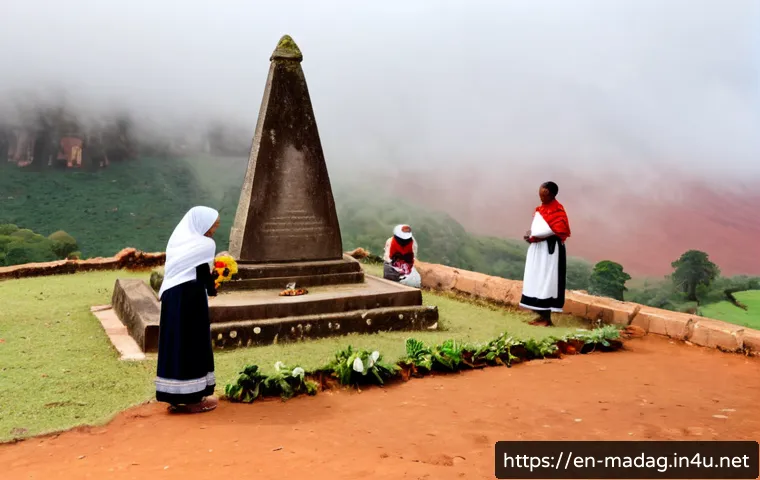
Famadihana is a family-centered secondary-burial practice in parts of the central highlands, not a guaranteed tourist event or public performance. Its details, timing, and attendance rules can differ greatly by household and community.
For travelers, the most useful choice is usually a learning-focused approach that prioritizes context, consent, and local guidance over access to a ceremony.
A local cultural guide, translator, or carefully planned Madagascar itinerary may help explain regional history, but no service should promise entry to private family events.
At a Glance
- Ancestor veneration is important in many Malagasy belief systems, where ancestors may be understood as continuing to influence family and community life.
- Famadihana, often called “turning of the bones,” may involve removing ancestral remains, rewrapping them in fresh cloth, and returning them to a family tomb.
- Funeral customs, invitations, photography rules, and visitor access vary by region, family, faith, and local custom.
| Approach | Best Use Case | Cost Consideration | Context and Flexibility | Ethical Consideration |
|---|---|---|---|---|
| Independent research | Readers focused on history, museums, and general cultural background | Travel and research costs vary; no guide service is included | Flexible, but limited by language barriers and lack of local interpretation | Do not treat private ceremonies as a destination or assume access |
| Local cultural guide or translator | Travelers seeking regional context and help understanding local etiquette | Confirm availability, scope of service, and current terms directly | Can offer more direct explanation while keeping plans adaptable | Choose someone who respects family privacy and does not promise ceremony access |
| Organized Madagascar itinerary | Visitors who prefer coordinated transport and cultural planning | Inclusions and local service arrangements require careful review | Less flexible, but may simplify travel logistics | Look for an itinerary centered on learning, not spectacle |
What Madagascar’s Funeral Traditions Reveal About Family and Memory
Many Malagasy traditions place ancestors within an ongoing relationship between the living, the family, and the community. This does not mean every person or household understands that relationship in exactly the same way. Still, razana, a commonly used term for ancestors in Malagasy cultural contexts, can be central to how families think about memory, belonging, and responsibility.
The Continuing Role of Ancestors in Many Malagasy Communities
In many belief systems in Madagascar, ancestors are not understood as entirely separate from present family life. They may be regarded as continuing to influence family and community affairs. This perspective helps explain why remembrance practices can involve more than grief alone: they can also express continuity between generations.
Why Funerals and Tombs Can Be Central to Family Identity
Family tombs and funeral practices may carry deep meaning because they connect relatives to lineage and place. A ceremony involving a tomb should therefore be approached as a sacred family matter, not as an unusual sightseeing opportunity. Even when music, dancing, meals, and large gatherings are present, the event can remain private and deeply significant.
Three Key Points for Readers and Travelers
- Family meaning comes first. Cultural interest does not create a right to observe.
- Regional variation matters. Madagascar does not have one uniform funeral tradition.
- Ask before assuming. A knowledgeable local guide may explain etiquette, but family permission remains essential.
Famadihana Explained: The Secondary-Burial Ceremony
Famadihana is often described in English as the “turning of the bones.” It is a secondary-burial tradition practiced especially in parts of Madagascar’s central highlands. Broad descriptions can be useful for learning, but they should never replace the instructions of the family or community involved.
What “Turning of the Bones” Generally Refers To
During famadihana, relatives may remove ancestral remains from a family tomb, wrap them in fresh cloth, and return them to the tomb. The practice is associated with remembrance and family connection. It should not be reduced to a shocking image or presented as a single fixed ritual sequence.
Rewrapping, Reunion, Music, and Communal Celebration
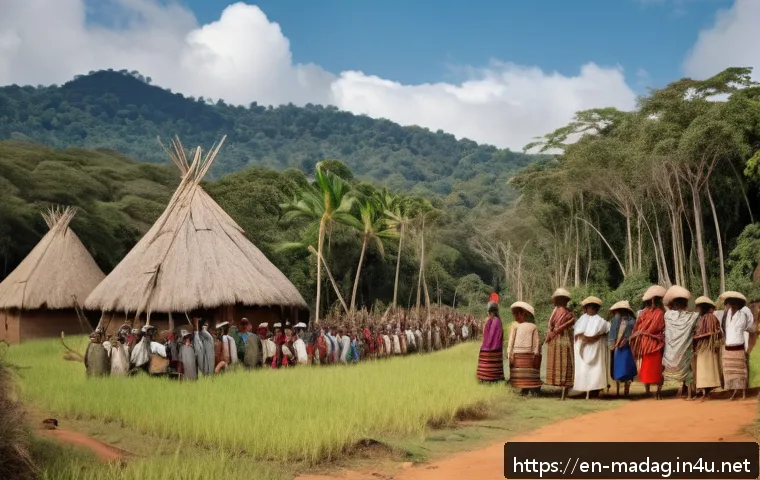
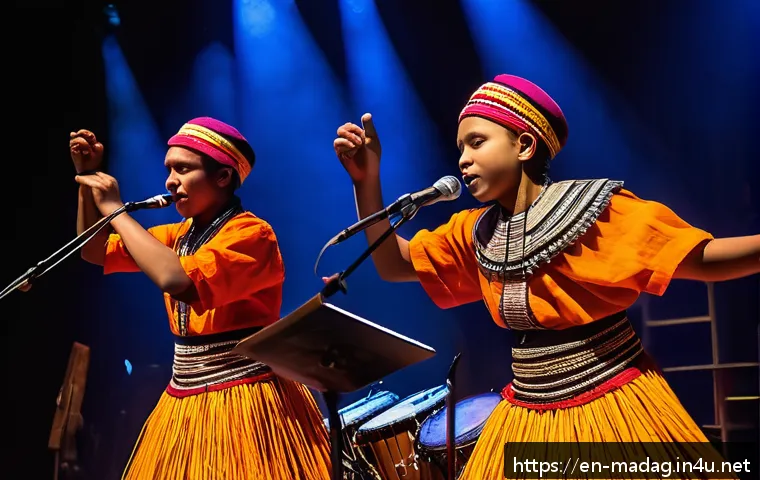
Some famadihana events may include music, dancing, shared meals, and large family gatherings. These elements can make the ceremony appear festive to an outside observer, but they are part of a family-centered occasion rather than proof that the event is open to visitors. Respectful interpretation means holding both ideas at once: remembrance can involve mourning, reunion, celebration, and obligation.
Why Timing, Ceremony Details, and Participation Differ
The timing and form of a ceremony can depend on local custom, family decisions, resources, and spiritual guidance. For that reason, no travel plan should assume that famadihana will occur during a particular visit. It is also unknown whether any specific ceremony permits non-family observers, photographers, guides, or tour groups.
Cultural Diversity, Faith, and Common Misunderstandings
The clearest way to understand Malagasy funeral traditions is to avoid broad claims about “what all Malagasy people believe.” Madagascar is culturally diverse, and practices can differ across ethnic groups, regions, households, and religious communities.
Why Madagascar Should Not Be Represented as Having One Single Funeral Custom
Famadihana is particularly associated with parts of the central highlands, not a universal practice for the entire country. A respectful article, guide, or itinerary should identify this regional context instead of presenting one ceremony as the definition of Madagascar.
Traditional Beliefs Alongside Christian and Other Religious Practices
Individual Malagasy people may combine local traditions, Christianity, and other influences in different ways. It is not appropriate to assume how one family interprets ancestors, tombs, or religious duties based only on a general description of Malagasy culture.
Avoiding Sensational Descriptions of Sacred Family Events
Terms such as “bizarre,” “exotic,” or “tourist spectacle” obscure the human meaning of family remembrance. A better approach is to describe what is broadly known, state what varies, and leave room for families to define their own traditions. Cultural travel is more responsible when curiosity is paired with restraint.
Planning Respectful Cultural Learning: Guide, Tour, or Independent Research?
For visitors interested in ancestor traditions, the goal should be understanding rather than access. Museums, historical context, conversations with a qualified local guide, and regionally informed travel planning may provide meaningful learning without placing pressure on private ceremonies.
Comparison: Cost, Context, Flexibility, and Cultural Sensitivity
Independent research may suit travelers who are comfortable learning from general sources and visiting public cultural spaces. A local guide or translator may add value when language barriers make it difficult to understand regional context or etiquette. An organized Madagascar cultural itinerary may help coordinate logistics, but travelers should review whether its language emphasizes respectful learning rather than promised ceremony attendance.
Questions to Ask a Local Guide or Responsible Tour Operator
- Can you explain the regional background without arranging access to a private ceremony?
- How do you handle photography, consent, and family instructions?
- What cultural sites, historical places, or educational activities are public and appropriate to visit?
- Will a translator be available if communication requires one?
- What should travelers do if a community member asks for privacy?
When Not to Seek Access to a Private Ceremony
Do not seek entry when there is no direct invitation, when consent is unclear, or when a guide frames family grief as entertainment. Payment should support legitimate interpretation, translation, transport, or local guiding services—not purchase access to private mourning or sacred family rites.
Visitor Etiquette and Practical Mistakes to Avoid
Respectful behavior is usually simple: follow instructions, avoid assumptions, and accept “no” without negotiation. The most important preparation is not a camera setting or a tour booking; it is the willingness to place family boundaries before personal curiosity.
Invitations, Consent, Clothing, and Photography
An invitation is not automatic. Never assume that a ceremony is open because it is visible, discussed online, or mentioned in a travel plan. Ask before taking photographs, recording sound, or sharing images. Clothing expectations may also differ, so a local guide can be useful for asking appropriate questions in advance.
Why Payment Should Support Interpretation and Local Services, Not Access to Private Grief
Paying for a knowledgeable guide or translator can be worthwhile when it improves understanding and supports a legitimate local service. It becomes problematic when payment is presented as a route into a family ceremony. Ethical tourism separates cultural education from the commercialization of private loss.
Language Barriers, Translation, and Following Community Instructions
A translator may help travelers communicate respectfully, but translation does not replace consent. If community members, hosts, or a guide give instructions about where to stand, what not to photograph, or whether to leave, follow those directions promptly.
Choosing a Respectful Madagascar Cultural Experience
The right choice depends on what you want to learn and how much support you need. A respectful plan sets realistic expectations: it can provide historical context and local interpretation, but it cannot guarantee access to a family’s sacred event.
Best Choice for Museum-Focused Travelers
Independent research combined with public cultural and historical visits may be the most suitable option for travelers who prefer to learn without seeking personal access. Focus on broad cultural context and avoid treating a private funeral tradition as an itinerary item.
Best Choice for Travelers Seeking Local Historical Context
A local cultural guide or translator may be the better choice when regional explanation and language support matter. Look for someone who can discuss ancestor traditions thoughtfully, explain what is unknown, and redirect attention toward appropriate public learning opportunities.
Final Checklist for Ethical Planning and Realistic Expectations
- Choose learning and context over ceremony access.
- Confirm current guide availability, services, and local permissions directly.
- Do not assume photography or attendance is allowed.
- Respect regional, religious, and family differences.
- Be ready to change plans if privacy is requested.
Selection Criteria and Comparison Summary
Before choosing a Madagascar cultural guide, translator, or organized itinerary, check whether the service explains regional variation, treats family ceremonies as private unless clearly invited, and gives practical guidance on consent and photography. Confirm what the guide actually provides, such as historical interpretation, language help, or transport coordination. Avoid listings that imply guaranteed access to famadihana or funerals. Review the official details and current conditions on the relevant service page before making arrangements.
In Closing
Madagascar’s funeral traditions are best understood through the ideas of family memory, ancestors, and local responsibility. Famadihana can be meaningful to learn about, but it should not be approached as an attraction. Travelers who prioritize consent, careful language, and culturally informed guidance are more likely to have a respectful and valuable experience. When access is uncertain, the appropriate response is to accept that boundary.
Useful Things to Know
Razana commonly refers to ancestors in Malagasy cultural contexts. Famadihana is especially associated with parts of the central highlands. Music, dancing, meals, and family gatherings may be part of some ceremonies, but these elements do not make an event public. A guide can provide context, while only the relevant family or community can determine whether participation is appropriate.
Important Notes
Specific beliefs, ritual sequences, spending levels, attendance rules, local permissions, transport costs, guide availability, and tour prices require direct confirmation. Individual interpretations may combine local traditions, Christianity, and other influences differently. No general description can determine whether a particular family ceremony is open to visitors, photographers, or tour groups.
Frequently Asked Questions
Q1. What is famadihana in Madagascar?
A1. Famadihana is a secondary-burial tradition practiced especially in parts of Madagascar’s central highlands. It may involve relatives removing ancestral remains from a family tomb, rewrapping them in fresh cloth, and returning them to the tomb.
Q2. Can tourists attend a Malagasy funeral or famadihana ceremony?
A2. You should not assume so. Whether a particular ceremony is open to non-family observers, photographers, or tour groups depends on family decisions, local customs, and current permission. Attendance without a clear invitation is not respectful.
Q3. Is it worth hiring a local guide to understand ancestor traditions in Madagascar?
A3. A knowledgeable local guide or translator may add value by explaining regional context, language, and etiquette. The appropriate purpose is cultural interpretation and practical travel support, not guaranteed entry to a private ceremony.