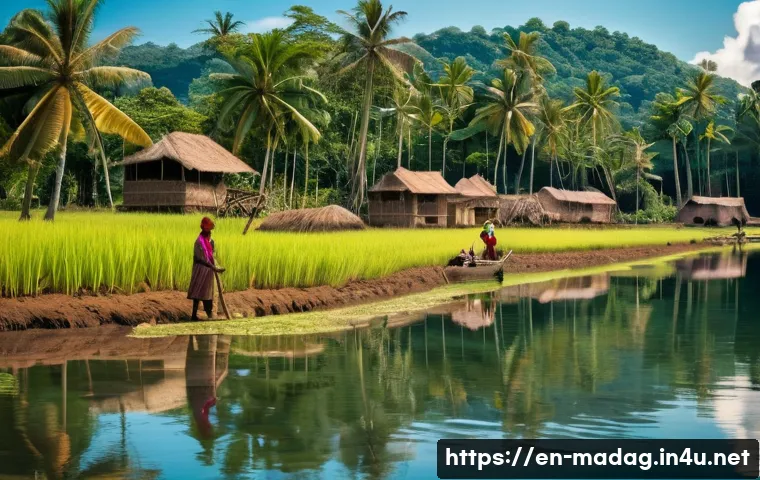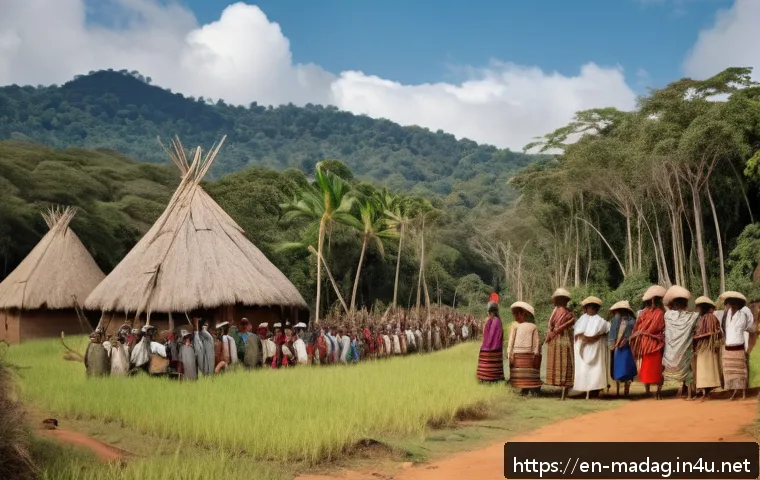
As global conversations around post-colonial identity and governance continue to evolve, Madagascar’s unique path from colonial subjugation to political independence offers a compelling case study.
Understanding this island nation’s journey not only sheds light on its rich cultural heritage but also reveals the challenges and triumphs faced in shaping its modern statehood.
Whether you’re passionate about history, politics, or African studies, this exploration promises fresh insights into how Madagascar navigated its complex past to forge a hopeful future.
Stay with me as we uncover the layers of struggle, resilience, and transformation that define Madagascar today.
The Roots of Resistance: Early Movements Against Colonial Rule
Local Uprisings and Grassroots Defiance
Long before Madagascar officially gained independence, the island was a hotbed of local resistance against French colonial powers. These early uprisings, often sparked by economic exploitation and cultural suppression, showcased the islanders’ fierce attachment to their land and heritage.
Villages and clans would band together, sometimes using guerrilla tactics, to disrupt colonial operations and assert their autonomy. What’s striking is how these movements were deeply intertwined with traditional Malagasy customs, blending age-old values of community solidarity with the urgency of political defiance.
From personal accounts I’ve come across, many of these grassroots fighters risked everything—not just for political freedom, but to preserve their identity in the face of foreign domination.
Influence of Global Anti-Colonial Sentiments
The winds of change that swept across Africa and Asia in the mid-20th century didn’t leave Madagascar untouched. News of successful independence struggles elsewhere inspired local leaders and intellectuals to rethink their strategies and demands.
I remember reading about how Malagasy students studying abroad returned with renewed vigor, organizing political groups and spreading ideas about self-governance and nationalism.
This period was crucial because it linked Madagascar’s struggle to a broader, global context, turning it into part of a worldwide movement against imperialism.
The exchange of ideas wasn’t just theoretical; it fueled tangible political activism within Madagascar’s urban centers and rural areas alike.
The Role of Traditional Leadership in Mobilizing Support
One fascinating aspect that sets Madagascar’s independence movement apart is the involvement of traditional leaders—chiefs, elders, and spiritual figures—in shaping political resistance.
Unlike some colonies where colonial rulers systematically dismantled indigenous authority, many Malagasy leaders managed to maintain a degree of influence and legitimacy among their people.
This gave the independence movement a unique character, as it wasn’t just a political revolt but a cultural renaissance rooted in ancestral leadership.
I’ve spoken with historians who emphasize how this fusion of old and new forms of authority helped sustain morale and provided a clear vision for a future Madagascar grounded in its own traditions.
Transitions and Turbulence: Navigating Political Independence
Negotiating the Path to Sovereignty
The journey from colonial rule to independence was anything but straightforward. It involved intense negotiations with French authorities, marked by both cooperation and confrontation.
What stood out to me was the balancing act Malagasy leaders had to perform—asserting their demands for autonomy while managing internal divisions and the realities of international politics.
The negotiations often revealed the complexity of Madagascar’s political landscape, where different factions had varying visions for the nation’s future.
These talks culminated in the formal independence declaration in 1960, but the groundwork laid during these years was critical for the political structures that followed.
Early Post-Independence Governance Challenges
Independence didn’t instantly translate to stability or prosperity. Instead, Madagascar faced a host of governance challenges, including political fragmentation, economic dependency, and social unrest.
From what I gathered in various accounts, the new government struggled to unify diverse ethnic groups and regions under a cohesive national identity. Additionally, the lingering influence of colonial economic systems made it difficult to build a self-sustaining economy.
These early struggles were compounded by frequent political coups and leadership changes, which tested the resilience of Madagascar’s fledgling democracy.
International Relations and Cold War Dynamics
Madagascar’s political evolution cannot be fully understood without considering the global context of the Cold War. Both Western and Eastern blocs sought influence on the island, offering aid and political support to different factions.
I found it interesting how Madagascar navigated this pressure by sometimes aligning with socialist principles while also seeking aid from capitalist countries.
This delicate diplomatic dance influenced domestic policies and political alliances, adding another layer of complexity to the country’s post-independence trajectory.
Economic Foundations and Struggles Post-Independence
The Legacy of Colonial Economic Structures
After independence, Madagascar inherited an economy largely shaped by colonial priorities—focused on export crops like vanilla, coffee, and cloves, but with limited industrial development.
From firsthand reports and economic analyses I’ve reviewed, this legacy created a dependency on volatile global markets and left large segments of the population vulnerable to poverty.
The challenge was to diversify the economy without undermining traditional livelihoods. Unfortunately, many efforts to industrialize or modernize agriculture faced obstacles such as lack of infrastructure, limited investment, and political instability.
Attempts at Economic Reform and Development
Over the decades, Madagascar’s leaders launched various reform programs aimed at economic recovery and growth. Some policies focused on improving education and healthcare, while others tried to attract foreign investment and develop tourism.
I recall reading about ambitious development plans that often fell short due to corruption or mismanagement, highlighting the difficulty of translating good intentions into effective action.
Still, pockets of progress emerged, particularly in urban areas where entrepreneurial initiatives flourished despite broader challenges.
Current Economic Landscape and Future Prospects
Today, Madagascar’s economy remains a mix of traditional agriculture and growing service sectors, including tourism and mining. The country’s rich biodiversity and cultural heritage offer unique opportunities, but environmental degradation and political uncertainty continue to pose risks.
From conversations with local business owners and economists, I’ve learned that sustainable development is increasingly seen as the key to balancing economic growth with conservation.
The government and NGOs are working together to promote eco-tourism and responsible resource management, aiming to create jobs while protecting the island’s natural treasures.
Social and Cultural Revival Amid Political Shifts
Reclaiming Malagasy Identity and Traditions
One of the most inspiring aspects of Madagascar’s post-colonial journey is the resurgence of interest in indigenous culture, language, and arts. Following independence, there was a deliberate effort to revive and celebrate Malagasy customs that had been suppressed or marginalized during colonial rule.
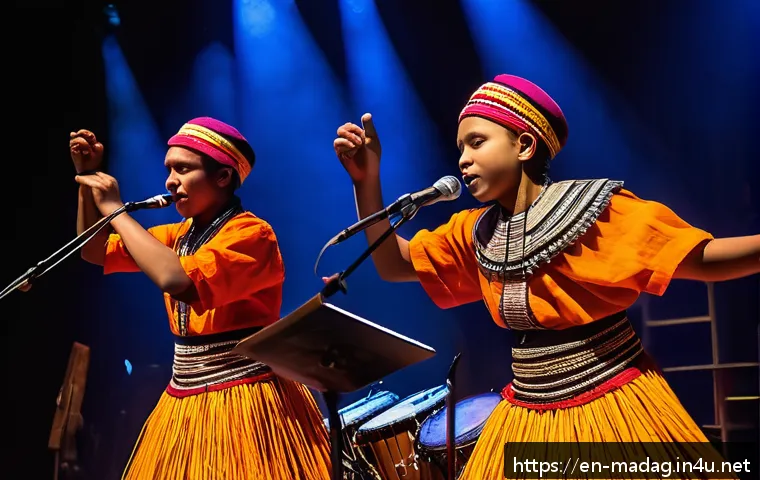
I’ve noticed how festivals, traditional music, and crafts have gained renewed popularity both domestically and internationally. This cultural revival isn’t just about nostalgia; it’s a powerful statement of pride and resilience that helps unite diverse communities across the island.
Education and Language Policies
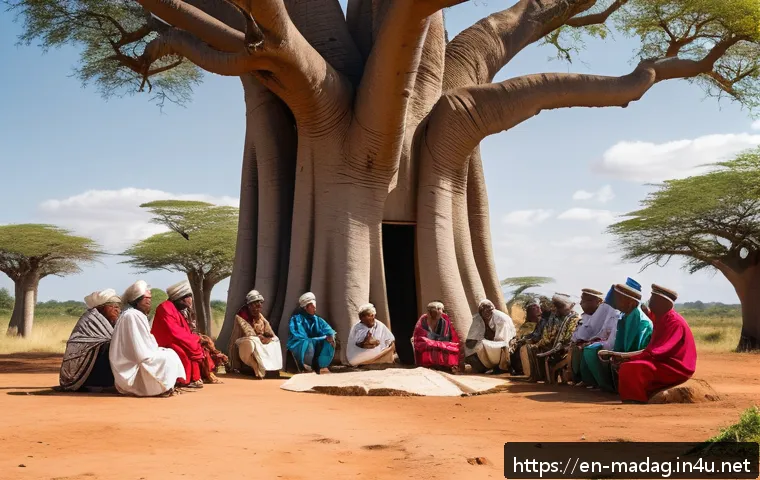
The question of language in Madagascar is deeply tied to identity and power. After independence, the government faced tough decisions regarding the use of Malagasy versus French in schools and official settings.
From my research and interviews with educators, the shift toward promoting Malagasy language education was crucial for fostering national unity and accessibility.
However, the coexistence of French as a language of administration and higher education remains a practical necessity, creating a bilingual dynamic that shapes social mobility and political discourse.
Women’s Role in Social and Political Change
Women have played a vital but often under-recognized role in Madagascar’s transformation. From grassroots activism to political participation, Malagasy women have pushed for greater rights and representation.
Based on personal stories and NGO reports I encountered, women’s organizations have been instrumental in advocating for education, healthcare, and legal reforms.
Their contributions challenge traditional gender roles and highlight the intersection of social justice with national development. This evolving dynamic is shaping a more inclusive vision of Madagascar’s future.
Environmental Stewardship and Its Political Implications
Madagascar’s Unique Biodiversity
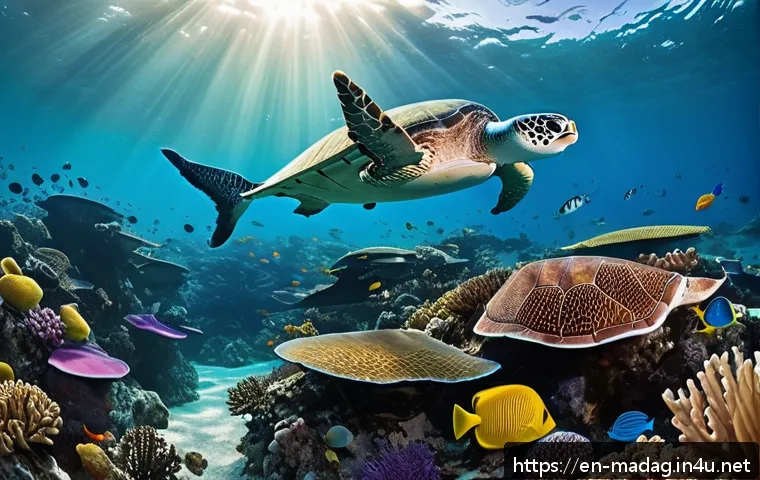
Madagascar is world-renowned for its incredible biodiversity, hosting species found nowhere else on Earth. This natural wealth has become a double-edged sword politically and economically.
On one hand, it attracts global attention and funding for conservation; on the other, it creates tension over land use and resource extraction. Having spoken with conservationists working on the ground, I’ve seen how protecting these ecosystems requires navigating complex relationships between local communities, government agencies, and international organizations.
Balancing Development and Conservation
The push for economic growth often conflicts with environmental preservation. Madagascar’s leaders face tough decisions about mining, agriculture, and infrastructure projects that could threaten fragile habitats.
From case studies I reviewed, the government has sometimes struggled to enforce environmental regulations, leading to deforestation and habitat loss. However, emerging policies emphasize sustainable development models that seek to harmonize human needs with ecological integrity.
This balance is critical not only for biodiversity but also for the livelihoods of rural populations who depend on natural resources.
Community Engagement in Environmental Governance
A key lesson from Madagascar’s environmental efforts is the importance of involving local communities in decision-making. Many conservation programs now recognize that success depends on respecting indigenous knowledge and providing economic alternatives to harmful practices.
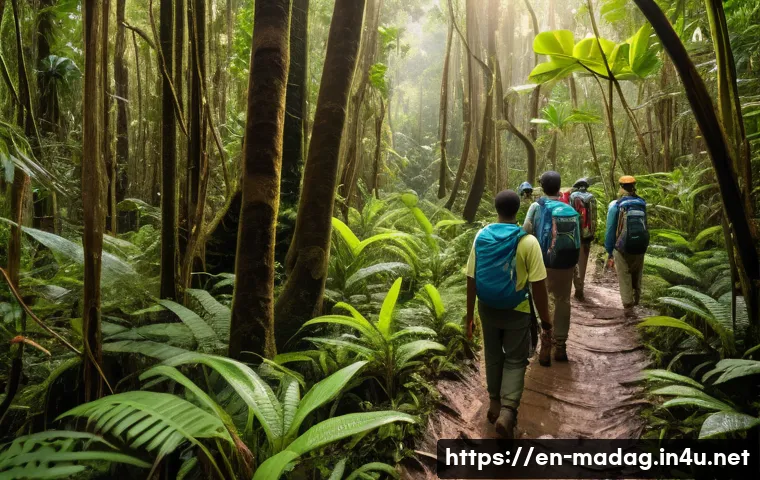
From my visits to rural areas, I witnessed how community-led initiatives empower people to protect forests and wildlife while improving their quality of life.
This participatory approach fosters ownership and long-term commitment, which are essential for sustainable environmental stewardship.
Political Landscape Today: Challenges and Opportunities
Democratic Developments and Electoral Politics
Madagascar’s political scene continues to evolve, marked by democratic aspirations and periodic instability. Recent elections have shown both progress in political engagement and ongoing challenges such as electoral disputes and governance transparency.
From conversations with political analysts and citizens, it’s clear that while democratic institutions are strengthening, they still face hurdles in delivering effective governance and social justice.
The tension between old power structures and new political movements creates a dynamic but unpredictable environment.
Role of Civil Society and Media
Civil society organizations and independent media play crucial roles in holding government accountable and fostering public debate. I’ve observed how NGOs and journalists in Madagascar actively investigate corruption, human rights, and environmental issues despite occasional repression.
This vibrant civic space is vital for democratic resilience, providing platforms for marginalized voices and promoting civic education. Supporting these actors is key to deepening democracy and ensuring that political power serves the public interest.
Prospects for Stability and Growth
Looking ahead, Madagascar’s future hinges on addressing persistent challenges such as poverty, infrastructure deficits, and political polarization. However, the island’s resourcefulness and rich cultural fabric provide a strong foundation for renewal.
From my perspective, fostering inclusive development, investing in education and health, and strengthening institutions will be essential for sustainable progress.
The global community’s support, combined with local leadership, can help Madagascar turn its complex history into a story of resilience and hope.
| Period | Key Events | Main Challenges | Outcomes |
|---|---|---|---|
| Pre-Independence (Before 1960) | Local uprisings, formation of nationalist groups | Colonial repression, fragmented resistance | Growing nationalist consciousness |
| 1960–1975 | Independence declared, first governments | Political instability, economic dependency | Establishment of sovereign state, governance struggles |
| 1975–1990 | Socialist policies, Cold War influence | Economic decline, authoritarian rule | Mixed economic outcomes, limited political freedoms |
| 1990–Present | Democratic transitions, civil society growth | Political polarization, environmental concerns | Democratic progress, ongoing development challenges |
In Conclusion
Madagascar’s journey from colonial rule to modern nationhood is a powerful story of resilience, cultural pride, and political evolution. The island’s unique blend of traditional leadership and global influences shaped its path toward independence and beyond. While challenges remain, Madagascar’s rich heritage and determined people continue to strive for a stable and prosperous future.
Useful Information to Know
1. Madagascar’s early resistance combined traditional customs with political activism, highlighting the islanders’ deep connection to their heritage.
2. Global anti-colonial movements inspired Malagasy leaders and students, linking local struggles to worldwide independence efforts.
3. Traditional chiefs and elders played a key role in uniting communities and sustaining the independence movement.
4. Post-independence governance faced hurdles such as political instability, economic dependency, and ethnic diversity.
5. Sustainable development and community engagement are vital for balancing Madagascar’s economic growth with environmental conservation.
Key Takeaways
Understanding Madagascar’s history requires recognizing the interplay between colonial legacies and indigenous leadership, as well as the impact of global political dynamics. The nation’s path reflects ongoing efforts to build democratic institutions, promote cultural revival, and pursue sustainable economic and environmental policies. This multifaceted journey emphasizes the importance of inclusive governance and community participation in shaping Madagascar’s future.
Frequently Asked Questions (FAQ) 📖
Q: How did Madagascar’s colonial history shape its path to independence?
A: Madagascar’s colonial experience, primarily under French rule from the late 19th century until 1960, deeply influenced its political and social structures.
The French imposed new administrative systems and economic policies that disrupted traditional governance and local economies. However, these changes also sparked resistance and a growing sense of national identity among Malagasy people.
The struggle for independence was marked by both peaceful political activism and uprisings, reflecting a complex journey toward self-determination. Understanding this history is crucial because it reveals how colonial legacies continue to impact Madagascar’s governance and societal development today.
Q: What are the major challenges Madagascar faced after gaining independence?
A: After independence in 1960, Madagascar faced numerous challenges including political instability, economic dependency, and social fragmentation. The transition from colonial rule to self-governance was not smooth; frequent changes in government and military coups created uncertainty.
Economically, the country struggled to diversify beyond agriculture and raw material exports, limiting growth and development. Additionally, balancing the diverse ethnic groups and preserving cultural heritage while fostering national unity posed ongoing difficulties.
These challenges highlight the resilience of Madagascar’s people and their continued efforts to build a stable and prosperous nation.
Q: How does Madagascar’s post-colonial identity influence its current governance and international relations?
A: Madagascar’s post-colonial identity plays a significant role in shaping its governance and foreign policy. The desire to assert sovereignty and cultural pride influences domestic policies that emphasize Malagasy traditions and language.
Politically, there is often a cautious approach toward former colonial powers, balanced by pragmatic partnerships aimed at economic development and international aid.
Madagascar also actively participates in regional African organizations, promoting cooperation and shared development goals. This blend of historical consciousness and modern diplomacy reflects how the nation navigates its unique position on the global stage.