Madagascar’s music and art scenes are buzzing with fresh energy, capturing global attention like never before. As the island embraces new cultural influences while honoring its rich heritage, a wave of talented musicians and artists are redefining what it means to be Malagasy today.
Whether you’re a world music fan or curious about vibrant artistic expressions, these creators offer a unique glimpse into Madagascar’s evolving identity.
Join me as we explore the inspiring talents shaping this island’s cultural heartbeat right now—you won’t want to miss the stories behind the sounds and colors that are making waves worldwide.
Blending Tradition with Contemporary Vibes
Rooted Rhythms Meet Modern Beats
Madagascar’s music scene is a fascinating fusion where age-old rhythms intertwine seamlessly with contemporary sounds. You can hear the pulse of the valiha—a traditional bamboo tube zither—woven effortlessly into modern pop or electronic tracks.
This blend creates a fresh soundscape that respects the island’s musical roots while appealing to younger generations craving something new and global.
Artists are not just preserving melodies but reinventing them, giving classic tunes new life and relevance in today’s digital age. Listening to these songs, you get the feeling that the past and present are having an exciting dialogue, each enriching the other.
Language as a Musical Canvas
One of the most captivating aspects is how Malagasy artists utilize their native language alongside French and English. This multilingual approach adds layers of emotion and meaning to their music, making each track resonate differently depending on the listener’s background.
The way Malagasy dialects influence lyrical flow and rhythm is something you don’t often find elsewhere. It’s a reminder that language in Madagascar is not just a communication tool but a vital part of the island’s musical identity, shaping how stories are told and experienced through sound.
Visual Storytelling Through Sound
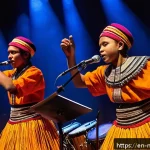
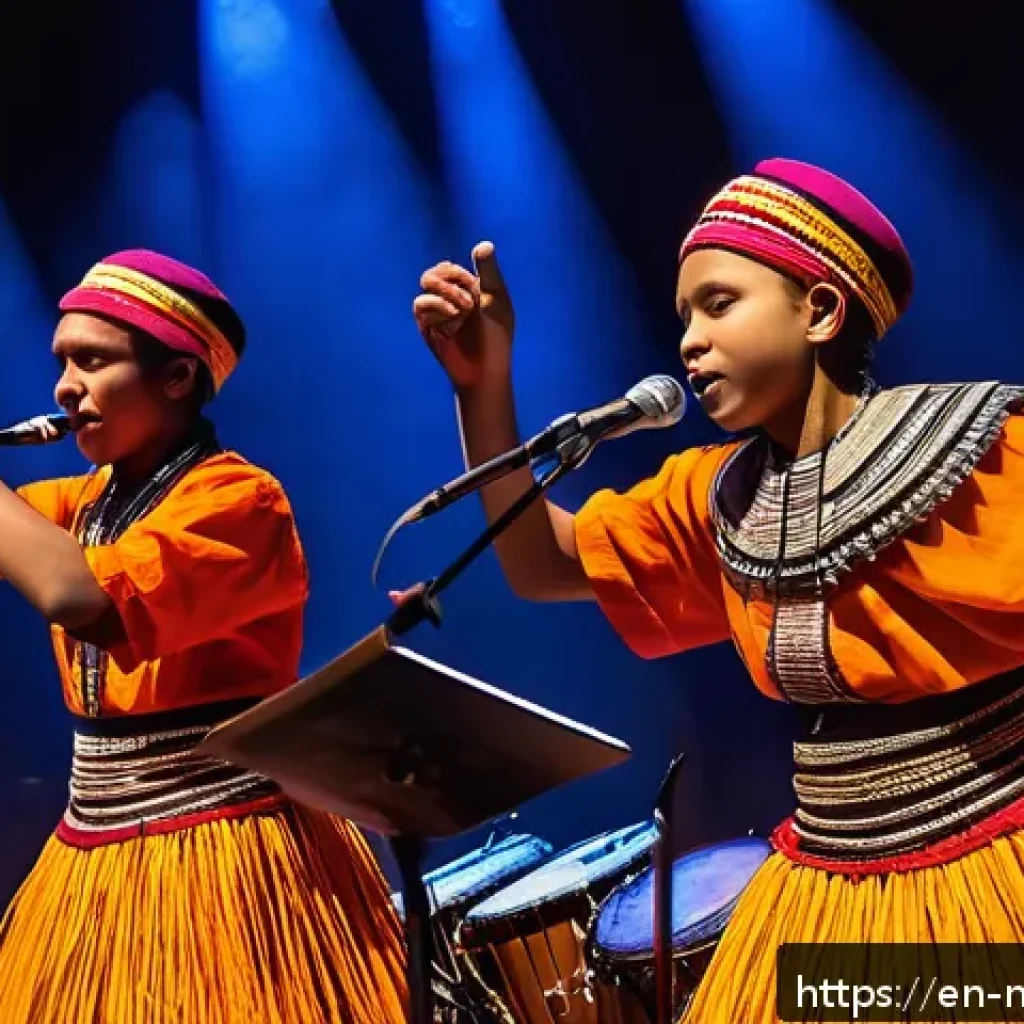
Madagascar’s musicians often go beyond audio, creating immersive experiences with their live performances. Visual elements—traditional costumes, dance, and stage design—are thoughtfully integrated to tell stories that connect deeply with audiences.
When attending a concert or watching a music video, it’s clear that these artists view their craft holistically, where sight and sound merge to express cultural narratives.
This approach invites fans into a rich sensory journey, making the music feel alive and rooted in place and community.
Innovative Art Movements on the Island
From Local Craftsmanship to Contemporary Galleries
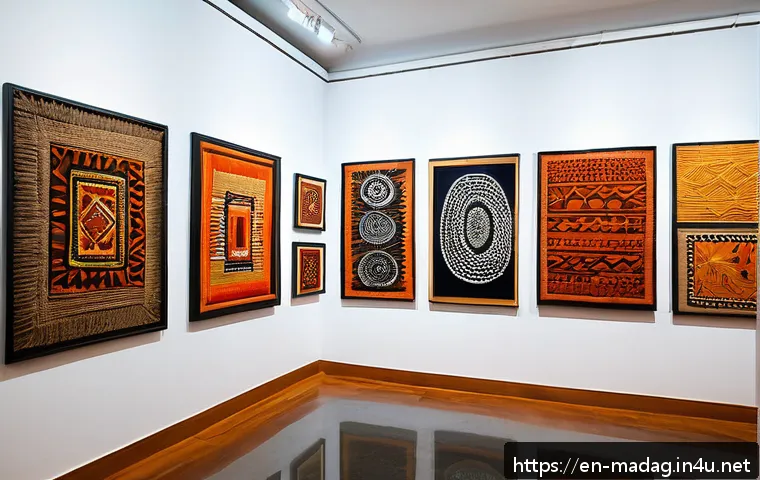
Madagascar’s art scene is buzzing with innovation, where traditional craftsmanship meets bold contemporary expressions. Artists are reimagining familiar materials—like raffia, wood, and natural dyes—into modern sculptures and paintings that challenge conventional aesthetics.
Many have gained international attention for pushing boundaries while honoring their heritage. This duality creates a dynamic visual culture that is both deeply Malagasy and globally relevant, inviting viewers to rethink how identity and history can be expressed through art.
Urban Art and Street Culture Emergence
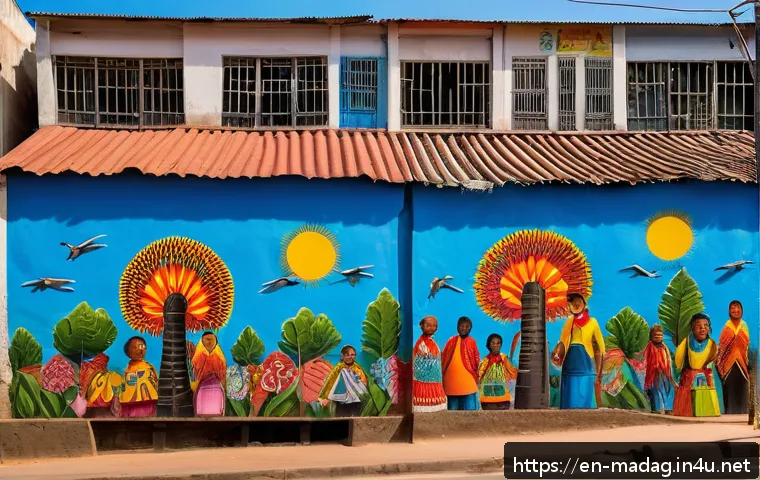
In the bustling streets of Antananarivo and other cities, a vibrant urban art scene is emerging. Street artists use walls and public spaces as canvases to comment on social issues, celebrate Malagasy culture, and showcase individual creativity.
This movement brings art directly to the people, making it accessible and interactive. The energy in these neighborhoods reflects a youthful spirit eager to redefine norms and express collective aspirations.
It’s a grassroots cultural renaissance that’s hard to ignore when walking through these lively urban areas.
Art as Activism and Social Commentary
Many Malagasy artists embed powerful messages in their work, addressing themes like environmental conservation, political change, and cultural preservation.
Given Madagascar’s unique biodiversity and ongoing challenges, art becomes a tool to raise awareness and inspire action. This socially engaged art resonates deeply both locally and internationally, proving that creativity can be a catalyst for meaningful dialogue and change.
Experiencing these pieces firsthand reveals the passion and urgency driving this new wave of artistic expression.
Emerging Voices Changing the Narrative
Young Musicians Breaking Stereotypes
A fresh generation of Malagasy musicians is boldly redefining what it means to be a music creator from the island. They’re mixing genres like hip-hop, reggae, and Afrobeat with Malagasy traditional sounds, creating an eclectic palette that challenges stereotypes.
These artists aren’t just performers; they’re storytellers who bring personal and collective experiences to the forefront, addressing themes of identity, migration, and social justice.
Their music resonates far beyond Madagascar’s shores, attracting global audiences eager for authentic, new perspectives.
Artists Pioneering Cross-Cultural Collaborations
Collaboration is a key trend among Madagascar’s creatives today. Musicians and visual artists frequently partner with international talents, blending diverse influences to craft hybrid works.
These projects often bring Malagasy culture into global conversations, while also allowing local artists to experiment and grow. The synergy generated is palpable, leading to fresh sounds and images that surprise and inspire.
For fans, these collaborations offer a glimpse into how Malagasy culture can adapt and thrive within a connected world.
Championing Female Creatives
The spotlight on female artists in Madagascar has never been brighter. Women musicians and visual artists are gaining recognition for their unique voices and perspectives, often addressing gender and social issues through their work.
Their presence enriches the creative landscape, adding depth and diversity to the island’s cultural output. Many of these women are also mentors and community leaders, fostering environments where future generations can flourish.
Their impact is a powerful reminder of how inclusivity fuels artistic evolution.
Crafting a Unique Malagasy Sound Identity
The Role of Traditional Instruments
Traditional instruments like the kabosy, marovany, and sodina are not just relics; they are central to crafting a distinct Malagasy sound. Artists skillfully incorporate these instruments into modern arrangements, preserving their tonal qualities while exploring new musical territories.
The delicate plucking of the kabosy or the haunting whistle of the sodina adds authenticity and emotional depth to compositions. This balance between tradition and innovation creates a signature sound that is unmistakably Malagasy.
Influence of Regional Styles
Madagascar’s diverse regions each contribute unique musical flavors, from the highland’s melodic ballads to coastal rhythms influenced by African and Indian Ocean cultures.
Contemporary musicians draw from this rich tapestry, blending regional styles to create layered and textured music. This cross-pollination broadens the island’s musical vocabulary and highlights its cultural diversity.
For listeners, it’s like taking a sonic journey across Madagascar’s varied landscapes and communities within a single album or performance.
Impact of Global Music Trends
While deeply rooted in local culture, Madagascar’s music is undeniably shaped by global trends such as hip-hop, reggae, and electronic music. The island’s artists absorb these influences and filter them through Malagasy sensibilities, resulting in fresh hybrids that feel both familiar and new.
This openness keeps the music vibrant and relevant, attracting international attention and collaborations. It also reflects the island’s youth embracing a global identity while staying connected to their roots.
Visual Arts That Speak Volumes
Symbolism and Storytelling in Contemporary Paintings
Contemporary Malagasy painters often use symbolism to convey layered meanings and cultural narratives. Their works are rich in motifs drawn from folklore, nature, and daily life, inviting viewers to explore deeper themes of identity, spirituality, and social change.
This approach transforms visual art into a form of storytelling that resonates emotionally and intellectually. Experiencing these paintings is like stepping into a vibrant world where every brushstroke carries history and hope.
Textile Art and Fashion Innovation
Textile art in Madagascar is evolving beyond traditional weaving into a dynamic fusion of fashion and cultural expression. Designers incorporate indigenous patterns and sustainable materials to create clothing that honors heritage while appealing to modern tastes.
This movement celebrates Malagasy craftsmanship and supports local economies, empowering artisans and designers alike. Wearing these pieces becomes a statement of pride and identity, connecting the wearer to the island’s rich artistic legacy.
Public Art Transforming Communities
Public art projects are transforming Malagasy communities by beautifying spaces and fostering local pride. Murals, sculptures, and installations often reflect community stories, values, and aspirations.
These projects encourage public participation and create shared cultural experiences, strengthening social bonds. In many neighborhoods, public art has become a source of inspiration and economic opportunity, attracting visitors and sparking creative energy.
Key Figures Driving Madagascar’s Cultural Renaissance
Profiles of Influential Creators
Several standout musicians and artists have become cultural ambassadors for Madagascar, gaining international acclaim and inspiring new talent. Their work spans genres and mediums, united by a commitment to authenticity and innovation.
These creators often serve as bridges between tradition and modernity, local and global, highlighting the island’s rich artistic potential. Their stories are as compelling as their creations, embodying perseverance, passion, and pride.
Institutions Supporting Growth
Cultural institutions and festivals play a crucial role in nurturing Madagascar’s artistic talents. From music academies to contemporary art galleries and annual festivals, these platforms provide resources, exposure, and networking opportunities.
They help artists refine their skills, reach wider audiences, and connect with global markets. The support infrastructure is evolving rapidly, reflecting growing recognition of culture as a vital part of Madagascar’s identity and economy.
International Collaborations and Exchanges
Collaborations with international artists, producers, and curators have opened doors for Malagasy creators on the world stage. These exchanges foster creative growth and amplify Madagascar’s cultural voice globally.
They also facilitate knowledge transfer and access to new technologies, enriching the local scene. For global audiences, these collaborations offer fresh insights into the island’s vibrant culture, breaking stereotypes and expanding appreciation.
| Aspect | Description | Examples |
|---|---|---|
| Traditional Instruments | Use of indigenous instruments to preserve and innovate Malagasy sound | Valiha, Kabosy, Sodina |
| Cross-Genre Fusion | Blending Malagasy music with global genres like hip-hop, reggae, and electronic | Artists mixing traditional melodies with modern beats |
| Visual Storytelling | Art that integrates symbolism, folklore, and social themes | Paintings, murals, textile designs reflecting Malagasy culture |
| Community Engagement | Public art projects and festivals fostering local pride and participation | Urban murals, cultural festivals in Antananarivo |
| International Collaboration | Creative partnerships expanding Malagasy artists’ global reach | Joint music productions, art exhibitions abroad |
How Technology is Shaping Malagasy Creativity
Digital Platforms Amplifying Voices
The rise of digital media has transformed how Malagasy artists share their work. Social platforms like YouTube, Instagram, and streaming services enable musicians and visual artists to reach global audiences without traditional gatekeepers.
This democratization has sparked a surge in creativity and visibility, allowing even emerging talents to build fanbases and sell their art internationally.
Personally, following Malagasy creators online has introduced me to sounds and visuals that feel fresh and authentic, far removed from mainstream trends.
Innovations in Music Production
Access to modern recording technology and software has empowered Malagasy musicians to experiment and produce high-quality tracks independently. Home studios and mobile setups have become common, reducing barriers to entry and encouraging experimentation.
This shift fosters a more diverse and vibrant music scene, as artists can quickly iterate and collaborate remotely. The result is a rich variety of sounds that reflect both local tradition and global influences.
Virtual Exhibitions and Interactive Art
Visual artists in Madagascar are embracing technology by creating virtual exhibitions and interactive installations. These digital showcases break geographical limits, inviting worldwide audiences to experience Malagasy art in immersive ways.
Interactive art projects often incorporate augmented reality or multimedia elements, making the art experience dynamic and engaging. This tech-savvy approach not only broadens reach but also redefines how art can be consumed and appreciated in the 21st century.
Conclusion
Madagascar’s creative landscape beautifully bridges the gap between tradition and modernity, offering a vibrant cultural experience that resonates globally. The island’s artists skillfully blend heritage with innovation, crafting unique sounds and visuals that tell powerful stories. Their work not only preserves Malagasy identity but also invites new audiences to explore and appreciate this rich artistic tapestry. Embracing technology and collaboration, Madagascar’s cultural scene continues to evolve with inspiring momentum.
Useful Information to Know
1. Traditional Malagasy instruments like the valiha and kabosy are central to maintaining the island’s unique musical identity.
2. Cross-genre fusion is a key trend, with artists combining local sounds and global music styles such as hip-hop and electronic.
3. Visual arts incorporate symbolism and storytelling, often reflecting social issues and cultural heritage.
4. Public art projects and festivals foster community engagement and cultural pride across urban areas.
5. Digital platforms and modern production tools empower Malagasy artists to reach worldwide audiences and experiment creatively.
Key Takeaways
Madagascar’s cultural renaissance thrives on the dynamic interplay between preserving tradition and embracing innovation. Musicians and artists are redefining identity through multilingual expression, cross-cultural collaboration, and technology-driven creativity. Community involvement and activism are embedded in artistic practices, making art a meaningful force for social change. This evolving scene highlights the island’s rich diversity while positioning Malagasy culture as a compelling presence on the global stage.
Frequently Asked Questions (FAQ) 📖
Q: uestionsQ1: What makes Madagascar’s current music scene stand out on the global stage?
A: Madagascar’s music scene is unique because it blends traditional Malagasy rhythms and instruments with modern genres like jazz, hip-hop, and electronic music.
Artists are not only preserving ancient sounds but also innovating by collaborating with international musicians. This fusion creates fresh, vibrant music that resonates worldwide, offering listeners an authentic yet contemporary experience.
Having attended a live concert in Antananarivo, I felt the energy and passion firsthand—it’s truly infectious and unlike anything else I’ve experienced.
Q: How are Malagasy artists balancing tradition with modern influences in their art?
A: Malagasy artists skillfully honor their rich cultural heritage while embracing new ideas and materials. Many incorporate traditional motifs, storytelling, and craftsmanship into modern art forms like painting, sculpture, and digital media.
This blend allows them to express contemporary issues while staying deeply connected to their roots. For example, a painter I met recently uses ancestral symbolism but presents it through bold, abstract techniques, making the artwork accessible and relevant to a global audience.
Q: Where can I discover and support emerging Malagasy musicians and artists?
A: The best way to discover new Malagasy talent is through platforms like YouTube, Spotify, and Instagram, where many artists share their work directly. Additionally, international world music festivals and art fairs often feature Malagasy creators.
If you want to support them more personally, consider purchasing music and artwork from official websites or local Malagasy online stores. From my experience, engaging with artists on social media and attending live virtual events can deepen your appreciation and connection, helping their careers flourish globally.