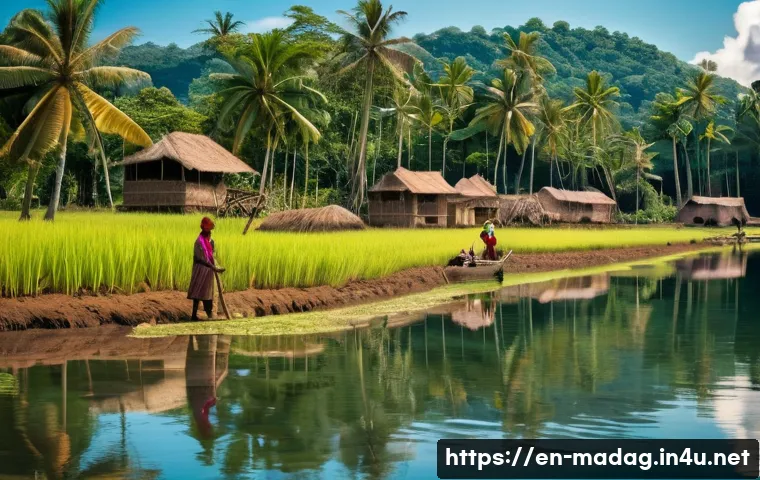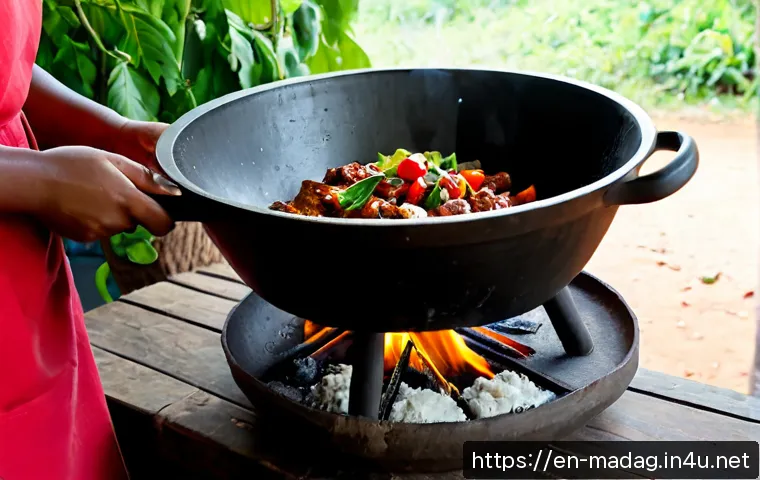
For a first Malagasy meal at home, start with akoho sy voanio if coconut chicken sounds appealing, or try mofo gasy for a simple rice-flour snack. Choose romazava when you can find suitable leafy greens, and save ravitoto for a day when you can source cassava leaves and cook more patiently.
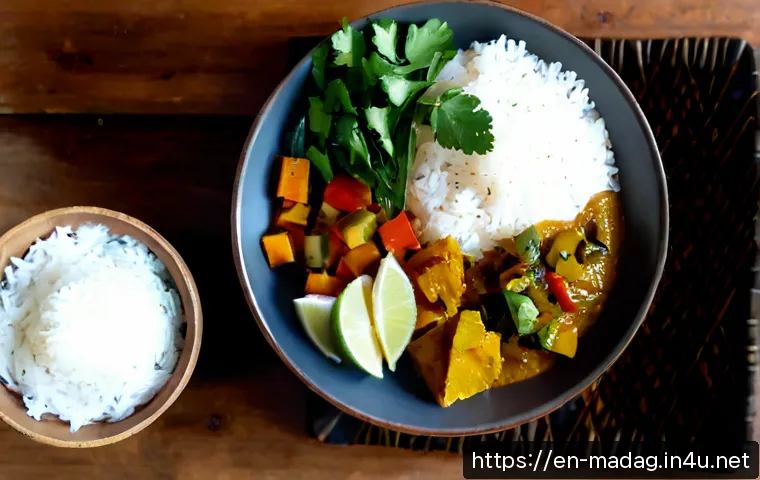
Malagasy food is built around rice, greens, meat, fish, vegetables, and coconut, with regional and household variations. Specialty-food retailers can be useful for cassava leaves, while a reliable pot, rice cooker, or covered pan can make everyday preparation easier.
If you are exploring before cooking, a Malagasy restaurant or guided culinary experience can also help you understand the flavors and textures worth recreating at home.
At a Glance
- Best beginner choice: Akoho sy voanio brings chicken and coconut together with accessible ingredients.
- Best rice-and-greens introduction: Romazava is a well-known beef and leafy-green stew served with rice.
- Most specialty-dependent dish: Ravitoto centers on pounded cassava leaves and benefits from careful ingredient sourcing.
| Dish | Cooking Confidence | Preparation Style | Key Ingredients | Substitution Flexibility | Ingredient Buying Consideration |
|---|---|---|---|---|---|
| Romazava | Comfortable beginner to intermediate | Light, savory stew | Beef, mixed leafy greens, rice | Moderate for greens; confirm the flavor and texture you want | Fresh greens are often the main choice point |
| Ravitoto | Intermediate | Long-simmered leafy dish | Pounded cassava leaves, pork or other rich ingredients, rice | Limited if cassava leaves are unavailable | Specialty ingredients may be worthwhile |
| Akoho sy voanio | Beginner-friendly | Chicken cooked with coconut | Chicken, coconut, rice | Generally flexible for home cooks | Compare coconut product labels and formats |
| Mofo gasy | Beginner-friendly | Rice-flour cakes or fritters | Rice flour | Moderate; texture may change with different flour choices | Rice flour is the key pantry item to compare |
What Malagasy Cuisine Tastes Like—and the Best Dishes to Start With
Malagasy cuisine is not one fixed formula. It reflects Southeast African, Southeast Asian, French, and Indian Ocean influences, while ingredients and preparation can change by region, season, and household. Rice is central to many meals, commonly appearing beside meat, fish, vegetables, or leafy stews. For a home cook, the most useful starting point is to choose a dish by ingredient access rather than trying to make every detail identical to another household’s version.
Three Quick Answers for First-Time Cooks
Want the most accessible savory dish? Start with akoho sy voanio, a Malagasy-style chicken dish featuring coconut. Want a rice-and-greens meal? Choose romazava and focus on finding greens that suit a light, savory stew. Want to explore a specialty ingredient? Make ravitoto only after checking the form and preparation directions for cassava leaves sold in your area.
Rice, Greens, Coconut, Meat, and Seafood as Core Meal Components
A practical Malagasy-inspired plate can begin with rice and one main preparation. Beef and leafy greens point toward romazava. Coconut and chicken lead naturally to akoho sy voanio. Cassava leaves and richer ingredients create the foundation for ravitoto. Fish, vegetables, and other proteins can also appear with rice in Malagasy meals, so a home menu does not need to depend on one dish alone.
A Beginner-Friendly Dish Comparison Table
The table above is meant as a buying and planning guide, not a strict authenticity scorecard. Availability matters: a dish made thoughtfully with accessible ingredients may be a better first project than one that requires hard-to-verify packaged products. When shopping online or at a specialty-food retailer, look closely at ingredient format, storage instructions, and package preparation guidance.
Essential Malagasy Dishes and Their Traditional Cooking Methods
These dishes are best approached as cooking styles with recognizable foundations. Family methods differ, so use recipe sources from Malagasy cooks, restaurants, or community voices when you want a particular regional approach. The aim at home is to respect the central ingredients and texture rather than assume there is one universal version.
Romazava: Leafy Beef Stew with a Light, Savory Broth
Romazava is a well-known Malagasy stew often made with beef and mixed leafy greens. It is commonly served with rice. Its appeal is the contrast between a light, savory broth and substantial greens and meat. Choose greens that can hold their shape in a stew, and add them with the final texture in mind rather than cooking until everything loses definition.
If you are selecting cookware, a covered pot with enough room for broth, beef, and greens makes this style of cooking easier to manage. Avoid treating romazava as a heavily seasoned sauce: the stew’s identity is tied to its greens, beef, and broth, so additions should not hide those components.
Ravitoto: Cassava Leaf Cooking, Texture, and Long-Simmering Methods
Ravitoto is made from pounded cassava leaves and is commonly cooked with pork or other rich ingredients. The leaf texture is central to the dish, which is why a convenient substitute may change the result more than it would in a simple green stew. This is the dish for cooks who want to explore a specialty ingredient and are comfortable planning ahead.
Fresh and frozen cassava leaves can differ in availability and handling, so follow the package preparation guidance for the exact product you purchase. If a retailer does not clearly state how the product should be stored or prepared, choose another option or ask for clarification. A heavy covered pot is useful for a slow-simmering dish, but the product’s instructions should guide your handling rather than a generic cooking shortcut.
Akoho sy Voanio: Chicken Cooked with Coconut
Akoho sy voanio is a Malagasy-style chicken dish featuring coconut. It is a sensible first choice when you want a familiar main ingredient paired with an important Malagasy flavor element. Serve it with rice to create a meal structure that fits the rice-centered character of Malagasy cooking.
When choosing coconut products, compare the label and format rather than assuming every can, carton, or packaged coconut ingredient behaves the same way. Coconut can be a main flavor, not just a background addition. If the sauce becomes thinner than you expected, avoid trying to correct it with strong seasonings that overwhelm the chicken and coconut profile.
Mofo Gasy: Rice-Flour Cakes for Breakfast or Snacks
Mofo gasy refers to Malagasy rice-flour cakes or fritters, often enjoyed at breakfast or as a snack. This makes it a useful entry point for cooks who want to try a Malagasy food tradition without preparing a full stew. Rice flour is the ingredient worth prioritizing here, because changing flour types can change the final texture.
A dependable pan or specialty cake pan can make portioning more consistent, but it is not essential to understand the dish. For a first attempt, focus on the rice-flour character and a manageable batch. If you are comparing kitchen equipment, look for a pan that suits small cakes or fritters and is easy to control on your own stove.
Ingredients, Substitutions, and When Specialty Shopping Is Worth It
Ingredient choices should support the dish rather than create unnecessary expense. Some substitutions are practical, especially for everyday greens or proteins. Others remove the very ingredient that gives a dish its distinctive identity. Specialty shopping makes the most sense when it helps you obtain cassava leaves for ravitoto or lets you compare Malagasy pantry products with clear labeling.
Choosing Rice, Leafy Greens, Coconut Products, and Protein
Rice is the consistent anchor across many Malagasy meals. Choose a rice you can cook reliably and serve it alongside the main dish. For romazava, select mixed leafy greens with attention to their cooking behavior. For akoho sy voanio, choose chicken and a coconut product whose label and storage information you understand. For ravitoto, the defining purchase is cassava leaves, followed by the rich ingredient you plan to cook with them.
Fresh vs. Frozen Cassava Leaves: Convenience, Cost, and Handling
Fresh cassava leaves may be harder to locate depending on where you live. Frozen cassava leaves can be more practical for home cooks, but quality, price, and preparation requirements vary by seller and location. Neither format automatically guarantees a particular result. Read the product information, check storage needs, and follow the package’s preparation instructions carefully.
Before buying from a specialty-food retailer, check whether the product name, ingredient list, storage details, and preparation guidance are clearly shown. That is more useful than relying on vague claims of authenticity. For an unfamiliar item, a local market with staff who can answer product questions may be as valuable as an online specialty shop.
Substitutions That Preserve the Dish—and Substitutions That Change It
For romazava, changing the exact mix of greens may be practical when local options differ, but the stew should still center on leafy greens, beef, and a light savory broth. For akoho sy voanio, chicken and coconut should remain the focus. For mofo gasy, rice flour is a meaningful choice because it defines the rice-flour cake or fritter character.
Ravitoto is less flexible. Replacing cassava leaves with unrelated greens may create a satisfying meal, but it becomes a different dish in texture and ingredient identity. There is nothing wrong with adapting to your pantry; simply describe the result honestly as inspired by, rather than identical to, the original dish.
Pantry Tools and Cookware That Make Preparation Easier

A basic setup can cover most Malagasy home cooking: a covered pot for stews and slow simmering, a reliable rice cooker or saucepan for rice, and a pan suitable for small cakes or fritters. For ravitoto, choose cookware that can comfortably hold a long-simmering mixture. For mofo gasy, prioritize even heat and a manageable cooking surface.
When comparing cookware, focus on capacity, lid fit, and ease of cleaning instead of buying a specialized item for one recipe. For pantry staples, look at rice flour and coconut product labels, then decide whether a specialty retailer adds real value for your cooking plan.
Cooking Safely and Avoiding Common Mistakes
Malagasy cooking rewards attention to texture. Keep rice separate and well managed, preserve the presence of greens in a stew, and let coconut remain recognizable in a chicken dish. When using an unfamiliar packaged ingredient, clear preparation guidance is more important than speed.
Handling Cassava Leaves Carefully and Following Package Preparation Guidance
Cassava leaves require extra care because product formats and preparation guidance can vary. Use the instructions supplied with the specific fresh or frozen product you buy. Do not assume that one package should be handled like another, and do not skip information provided by the seller or manufacturer.
Preventing Bitter Greens, Watery Coconut Sauces, and Overcooked Rice
For leafy stews, taste and observe the greens as they cook so they remain part of the dish rather than disappearing into the broth. For coconut chicken, treat coconut as a central component and avoid diluting the dish without considering the final texture. For rice, use the method you know best and serve it as a stable base rather than an afterthought.
Adjusting Seasoning Without Masking the Dish’s Core Flavors
There is no single fixed spice blend for every Malagasy household or region. Add seasonings gradually and keep the dish’s core ingredients clear: beef and greens in romazava, cassava leaves in ravitoto, coconut and chicken in akoho sy voanio, and rice flour in mofo gasy. A strong seasoning adjustment may be enjoyable, but it can move the result away from the profile you intended to explore.
Match the Dish to Your Time, Budget, and Cooking Situation
The most successful choice is usually the one that matches your schedule, local grocery options, and confidence level. A home cook with limited time may get more value from coconut chicken or rice-flour cakes than from a specialty leaf dish. A weekend meal can be the right time to explore slow simmering and unfamiliar ingredients.
Fast Weekday Options for Home Cooks
Akoho sy voanio is a practical weekday direction because chicken, coconut, and rice are easier to plan around than hard-to-find leaves. Mofo gasy can also suit a breakfast or snack occasion when you want to work with rice flour without building an entire meal. Keep the shopping list short and choose familiar equipment.
Weekend Dishes for Slow Simmering and Shared Meals
Ravitoto is better suited to a day when you can give attention to cassava leaf preparation and a longer cooking approach. Romazava also works well as a shared meal because rice, beef, greens, and broth create a complete table format. For either dish, check ingredient availability before you commit to the menu.
What to Order at a Malagasy Restaurant Before Attempting a Recipe
If you have access to a Malagasy restaurant, consider ordering romazava, ravitoto, or akoho sy voanio before making them yourself. This can help you understand how a restaurant presents the greens, cassava leaf texture, coconut, and rice together. Restaurant quality varies, so review the menu, current details, and diner feedback carefully rather than assuming every venue represents every regional style.
Hosting a Madagascar-Inspired Meal with Accessible Ingredients
For a simple shared meal, serve rice with akoho sy voanio and add a leafy vegetable side that suits your local market. Mofo gasy can provide a breakfast or snack element. If you are hosting guests, explain that Malagasy cooking varies by household and region; this keeps the meal welcoming without making exaggerated authenticity claims.
Selection Criteria and Comparison Summary
Choose akoho sy voanio if you want the clearest beginner path with chicken, coconut, and rice. Choose mofo gasy if you want a low-commitment rice-flour project for breakfast or snacks. Choose romazava if good leafy greens are available and you want a beef-and-rice meal. Choose ravitoto when cassava leaves are clearly labeled, properly handled, and worth the extra specialty shopping effort. For a first-hand flavor reference, compare local Malagasy restaurant menus or culinary tour details before booking; check the provider’s current inclusions and conditions on the relevant page.
In Closing
Malagasy food at home begins with a few strong foundations: rice, greens, coconut, meat or fish, and thoughtful cooking methods. Start with the dish your local ingredients support best, not the one that seems most difficult or rare. Romazava, ravitoto, akoho sy voanio, and mofo gasy each offer a different way into Malagasy cuisine. As you gain confidence, specialty ingredients and restaurant experiences can add useful context rather than becoming a requirement from the start.
Useful Things to Know
1. Rice is a central staple and a practical starting point for planning a Malagasy-style meal.
2. Regional, seasonal, and household differences are normal in Malagasy cooking.
3. Cassava leaves are the ingredient most likely to require specialty sourcing and package-specific preparation guidance.
4. A covered pot, reliable rice-cooking method, and suitable pan cover the main equipment needs.
5. A restaurant meal can be a helpful reference before you invest in unfamiliar specialty ingredients.
Important Notes
There is no single universal ratio, cooking time, or spice blend for these dishes. Ingredient availability, quality, price, and imported-product authenticity depend on your location and seller. Verify product labels, storage information, and preparation guidance before using cassava leaves or unfamiliar packaged ingredients. Restaurant and culinary-tour experiences also vary, so confirm current menus, details, and value before making a purchase or booking.
Frequently Asked Questions
Q1. What is the easiest Malagasy dish for a beginner to cook at home?
A1. Akoho sy voanio is a practical first choice because it centers on chicken, coconut, and rice. Mofo gasy is another approachable option if you prefer a rice-flour breakfast or snack project.
Q2. Is it worth buying cassava leaves and specialty Malagasy ingredients for ravitoto?
A2. It can be worthwhile if you specifically want ravitoto’s cassava-leaf character and can find a clearly labeled product with reliable preparation guidance. If cassava leaves are difficult to source or the product information is unclear, begin with romazava or akoho sy voanio instead.
Q3. Are Malagasy dishes generally spicy, and how can I adjust them for family meals?
A3. Spice blends and seasoning levels vary between regions and households, so it is not accurate to treat all Malagasy dishes as one level of spiciness. Season gradually, taste as you cook, and keep the main flavors of greens, coconut, rice, meat, or cassava leaves recognizable.