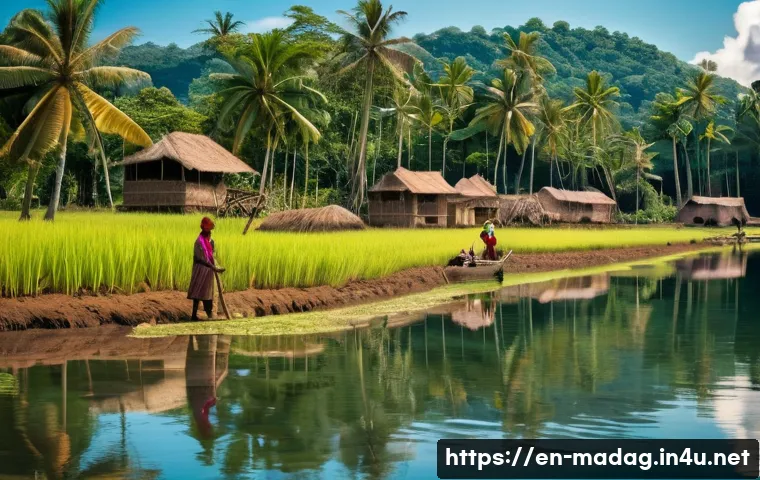
Traveling to Madagascar is an adventure like no other, with its unique wildlife and stunning landscapes. However, not every spot on this island paradise is safe or suitable for tourists.
Some areas are best avoided due to safety concerns, health risks, or local conflicts. Knowing where to steer clear can save you from unpleasant surprises and help you enjoy your trip to the fullest.
Whether you’re a first-time visitor or a seasoned traveler, understanding these no-go zones is essential. Let’s dive into the details so you can explore Madagascar confidently and wisely!
Areas with Heightened Security Risks
Unstable Regions in the North
The northern parts of Madagascar, especially near the border areas with the Comoros and some parts of Diana region, have experienced occasional security incidents.
While these regions boast incredible natural beauty and unique biodiversity, the political instability can make travel risky. Visitors have reported encountering sporadic protests or roadblocks, which can escalate unpredictably.
Tourists unfamiliar with local dynamics might find themselves caught in uncomfortable situations. It’s wise to avoid venturing into isolated northern border zones without a trusted local guide or up-to-date advice from official sources.
Urban Crime Hotspots in Antananarivo
While Antananarivo, the capital, is often the gateway to Madagascar’s wonders, some urban neighborhoods are notorious for petty crime and occasional violent incidents.
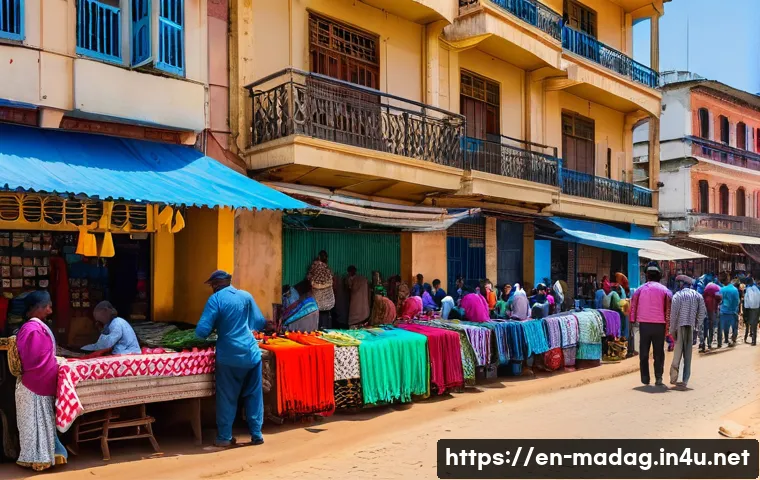
Areas around the train station and crowded markets like Analakely can be hotspots for pickpocketing and scams targeting tourists. Walking alone at night or displaying expensive items can increase vulnerability.
Travelers should stick to well-lit streets, use registered taxis, and remain vigilant to avoid becoming easy targets. Using accommodations with good security and seeking local recommendations can significantly reduce risks.
Conflict Zones in the South
Parts of southern Madagascar, such as the Androy and Anosy regions, have experienced sporadic inter-community conflicts and banditry. These tensions sometimes result in road closures or sudden outbreaks of violence.
Many local authorities recommend avoiding night travel in these areas and steering clear of rural villages known for disputes. The remoteness combined with limited emergency response options means that any incident could escalate quickly, leaving travelers stranded or exposed.
Planning routes carefully and consulting current travel advisories is essential.
Regions with Health Concerns
Malaria-Prone Areas
Madagascar is known for its tropical climate, which unfortunately means that malaria transmission is a real concern in many regions, particularly during the rainy season.
Areas such as the eastern rainforests, including Andasibe and Ranomafana, have high mosquito populations. Despite the allure of exploring lush jungles and spotting lemurs, travelers should prepare by taking antimalarial medications and using mosquito repellents.
Sleeping under treated nets and wearing long sleeves in the evenings are practical steps that can prevent illness and keep the trip enjoyable.
Regions with Poor Medical Infrastructure
Certain remote parts of Madagascar, including the central highlands and many southern villages, have limited access to quality healthcare facilities. In case of emergencies, medical help might be hours away, and the availability of essential medicines can be sparse.
Travelers with chronic health conditions or those prone to emergencies should avoid these isolated areas or plan with a detailed contingency strategy.
Carrying a comprehensive first aid kit and having travel insurance that covers medical evacuation is highly advisable.
Unsafe Drinking Water Zones
While many hotels and lodges in Madagascar provide safe bottled water, rural villages and some coastal areas still rely on untreated local water sources.
Consuming tap water or ice made from untreated water can lead to serious gastrointestinal issues such as traveler’s diarrhea or parasitic infections. It’s best to avoid drinking water outside major tourist hubs unless it’s been boiled or filtered.
Bringing portable water purification devices or purchasing sealed bottled water is a simple precaution that can save a lot of discomfort.
Challenging Terrain and Accessibility
Remote Rainforest Trails
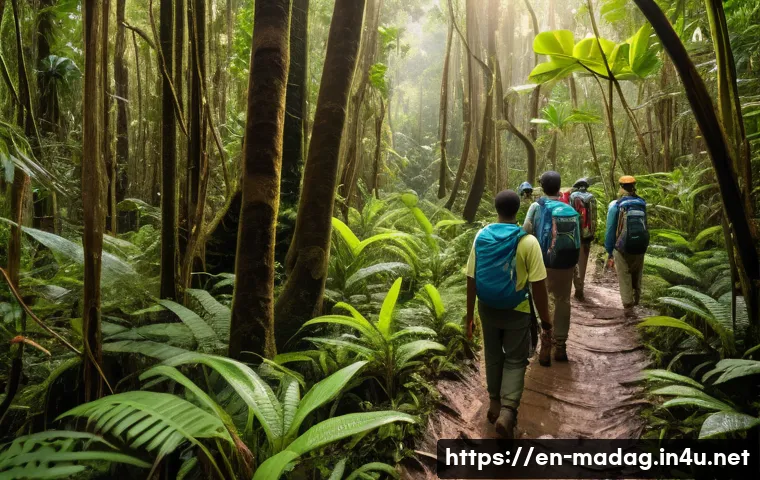
Some of Madagascar’s most stunning rainforests, like those in Masoala National Park, require trekking through dense, uneven terrain. While the biodiversity is breathtaking, these trails can be physically demanding and occasionally dangerous without proper preparation.
Slippery paths, leeches, and sudden weather changes can make navigation tricky. Inexperienced hikers attempting solo excursions risk getting lost or injured far from help.
Guided tours with experienced naturalists are the safest way to experience these wild landscapes.
Inaccessible Coastal Areas During Rainy Season
Certain coastal zones, especially along the eastern seaboard, become nearly inaccessible during the heavy rains from December to March. Roads can flood or wash away, leaving travelers stranded for days.
Areas like the Pangalanes Canal route require careful timing and local advice to avoid being stuck. Planning trips outside the rainy season or choosing alternative routes can prevent frustrating delays and safety hazards related to unstable infrastructure.
Unsafe River Crossings
Many parts of Madagascar rely on river crossings that lack proper bridges, forcing travelers to ford rivers or use rudimentary boats. During periods of heavy rain, water levels rise rapidly, making crossings dangerous or impossible.
Attempting these crossings without local guidance can be life-threatening, especially in remote areas where rescue options are limited. Researching river conditions in advance and following local advice ensures safer travel through these natural obstacles.
Tourist Scams and Fraudulent Activities
Overpriced Services in Tourist Hotspots
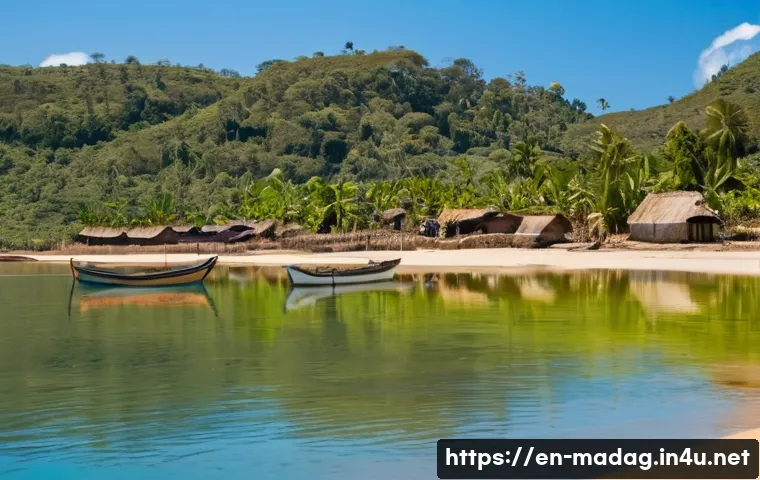
Popular tourist destinations such as Nosy Be and Île Sainte-Marie often attract opportunistic vendors and service providers who inflate prices for foreigners.
From taxi rides to souvenir shops, tourists sometimes find themselves paying several times the local rate. While this is not a direct safety threat, it can sour the experience and create frustration.
Negotiating prices beforehand and seeking recommendations from trusted sources can help avoid overpaying and feeling taken advantage of.
Fake Tour Operators and Guides
Madagascar’s booming tourism industry unfortunately has its share of illegitimate operators. Some travelers have reported being lured into “tours” that do not exist or are poorly organized, resulting in wasted time and money.
Verifying credentials and booking through reputable agencies or accommodations can significantly reduce this risk. Personal experiences shared by other tourists on forums or review sites also provide valuable insights into trustworthy guides and services.
Currency Exchange Scams
Currency exchange is another area where travelers can fall prey to scams. Exchanging money on the street or with unofficial dealers often leads to receiving counterfeit bills or unfavorable rates.
It’s safest to use banks or official exchange bureaus, even if the rates seem slightly less attractive. Carrying small denominations and being familiar with the appearance of genuine Malagasy Ariary notes can prevent unpleasant surprises.
Environmental and Cultural Sensitivities
Fragile Ecosystems Under Pressure
Certain natural reserves and parks in Madagascar are highly sensitive to human impact. Areas like Tsingy de Bemaraha require strict adherence to visitor guidelines to avoid damaging fragile limestone formations and endemic species habitats.
Tourists who ignore rules risk harming the environment and facing fines or expulsion. Respecting local conservation efforts not only protects the island’s unique biodiversity but also ensures that these wonders remain intact for future visitors.
Respecting Local Customs and Traditions
Madagascar’s diverse ethnic groups have deeply rooted customs that visitors should be aware of. In some rural communities, entering sacred sites or photographing certain people without permission is taboo.
Ignoring these cultural norms can lead to misunderstandings or even hostility. Learning about local etiquette, asking before taking photos, and dressing modestly when visiting villages shows respect and often leads to warmer welcomes and richer experiences.
Areas Affected by Deforestation
Deforestation is a significant issue in Madagascar, with some areas suffering from severe habitat loss and soil erosion. Visiting these degraded zones may not offer the expected natural beauty and could expose travelers to unstable terrain or landslides.
Supporting eco-friendly tourism initiatives and choosing destinations that prioritize sustainability helps combat this problem. Additionally, avoiding areas known for illegal logging activities reduces the risk of encountering conflicts or unsafe conditions.
Summary of Key Risk Factors to Consider
| Risk Category | Specific Areas | Primary Concerns | Recommended Precautions |
|---|---|---|---|
| Security | Northern border, Antananarivo urban zones, Southern regions | Political instability, petty crime, inter-community conflicts | Avoid isolated areas, use local guides, stay in secure accommodations |
| Health | Eastern rainforests, remote villages, coastal rural zones | Malaria, limited healthcare, unsafe drinking water | Use antimalarial meds, carry first aid, drink bottled water |
| Terrain | Masoala rainforest, eastern coast, river crossings | Difficult trails, seasonal flooding, dangerous river fords | Hire experienced guides, avoid rainy season, follow local advice |
| Scams | Tourist hotspots like Nosy Be, currency exchange points | Overpricing, fake tours, counterfeit money | Book reputable services, use official exchange bureaus |
| Environmental/Cultural | Tsingy de Bemaraha, rural ethnic villages, deforested zones | Environmental damage, cultural taboos, habitat loss | Follow guidelines, respect customs, support sustainable tourism |
In Conclusion
Traveling to Madagascar offers unforgettable experiences, but it’s essential to stay informed about potential risks. By understanding the local security issues, health concerns, and environmental sensitivities, visitors can better prepare for a safe and enjoyable trip. Taking precautions and respecting local customs not only protects you but also supports the preservation of this unique island. With careful planning and awareness, Madagascar’s wonders become accessible and rewarding.
Useful Information to Keep in Mind
1. Always check the latest travel advisories and local news before visiting remote or unstable regions in Madagascar to avoid unexpected dangers.
2. Carry essential health supplies such as antimalarial medication, a first aid kit, and bottled water to stay protected against common tropical illnesses.
3. Use trusted guides and reputable tour operators to ensure safe navigation through challenging terrain and avoid falling victim to scams.
4. Respect local customs and environmental rules to foster positive interactions with communities and help conserve Madagascar’s fragile ecosystems.
5. Plan your trip around seasonal weather patterns, especially avoiding the rainy season when many roads and trails become inaccessible or hazardous.
Key Takeaways for Safe and Responsible Travel
Madagascar’s unique appeal comes with certain challenges that require thoughtful preparation. Security risks in specific regions mean travelers should avoid isolated areas without guidance. Health precautions are crucial, especially in malaria-prone zones and places with limited medical services. Navigating difficult terrain demands reliable local support and awareness of seasonal conditions. Scam awareness helps protect your finances and time. Lastly, honoring environmental and cultural sensitivities ensures your visit benefits both you and the local communities. Staying informed and respectful turns a trip to Madagascar into a truly enriching adventure.
Frequently Asked Questions (FAQ) 📖
Q: Which areas in Madagascar should tourists avoid due to safety concerns?
A: Travelers should steer clear of certain northern and eastern regions where political tensions or local conflicts occasionally arise. Additionally, some remote areas lack adequate infrastructure and emergency services, making them risky for visitors unfamiliar with the terrain.
It’s always wise to check current travel advisories before planning your route and avoid isolated spots after dark.
Q: Are there any health risks in Madagascar that tourists need to be aware of?
A: Yes, Madagascar has some health concerns that travelers should prepare for. Malaria is prevalent in many parts of the country, so taking preventive measures like mosquito repellents and prophylactic medication is essential.
Also, limited access to clean water in rural areas means it’s safer to rely on bottled water. Vaccinations for diseases like typhoid and hepatitis A are also recommended before your trip.
Q: How can I ensure a safe and enjoyable visit to Madagascar despite these no-go zones?
A: The key is thorough preparation and staying informed. Use reputable tour operators who know the local conditions well and can guide you to the safest, most rewarding destinations.
Always respect local customs and avoid traveling alone in unfamiliar or less-populated areas. By planning your itinerary carefully and staying alert, you’ll experience Madagascar’s incredible wildlife and landscapes without unnecessary risks.