Madagascar’s history is a fascinating blend of diverse cultures, ancient kingdoms, and colonial influences that have shaped the island’s unique identity.
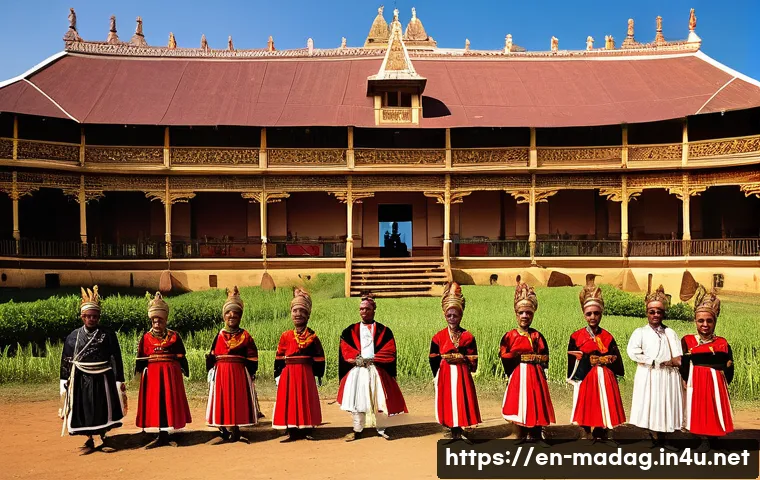
From its early settlers who arrived centuries ago to the rise and fall of powerful Malagasy kingdoms, the story of Madagascar is rich and complex. The island’s journey to independence was marked by resilience and determination amid French colonial rule.
Understanding this history offers valuable insight into Madagascar’s vibrant culture and its path toward self-governance. Let’s dive deeper to uncover the remarkable events that led to Madagascar’s independence and what they mean today.
I’ll guide you through the details clearly and thoroughly!
The Early Settlers and Formation of Malagasy Society
Origins and Migration Patterns
The story of Madagascar begins with an extraordinary migration that sets it apart from other African islands. Early settlers came from Southeast Asia, specifically from Borneo and the Indonesian archipelago, around 1,500 to 2,000 years ago.
This migration wasn’t a single event but rather a series of voyages by seafaring peoples who brought with them agricultural knowledge, livestock, and new cultural practices.
What’s fascinating is how these settlers blended with African migrants arriving later from the east coast of the continent. This fusion created a unique Malagasy identity that is neither fully African nor Asian but a vibrant hybrid.
The language, Malagasy, still carries strong Austronesian roots, which is a testament to these early connections.
Development of Social Structures and Communities
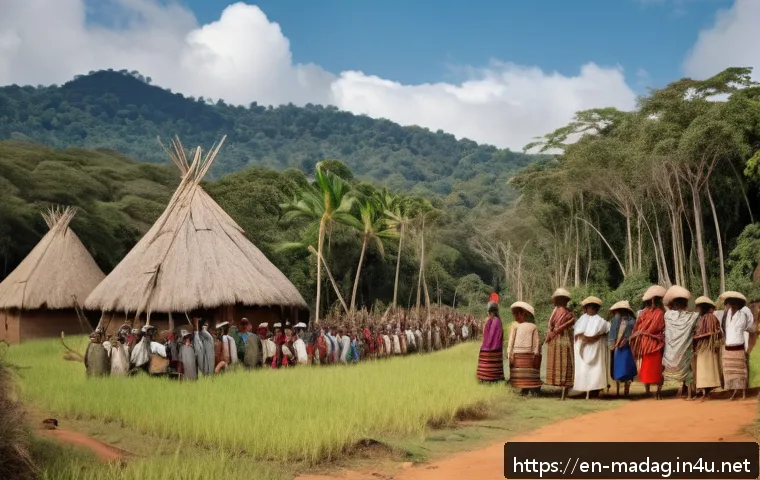
Once settled, these early communities began forming intricate social structures that laid the groundwork for future kingdoms. Villages were typically organized around extended family groups, with elders playing crucial roles in decision-making and conflict resolution.
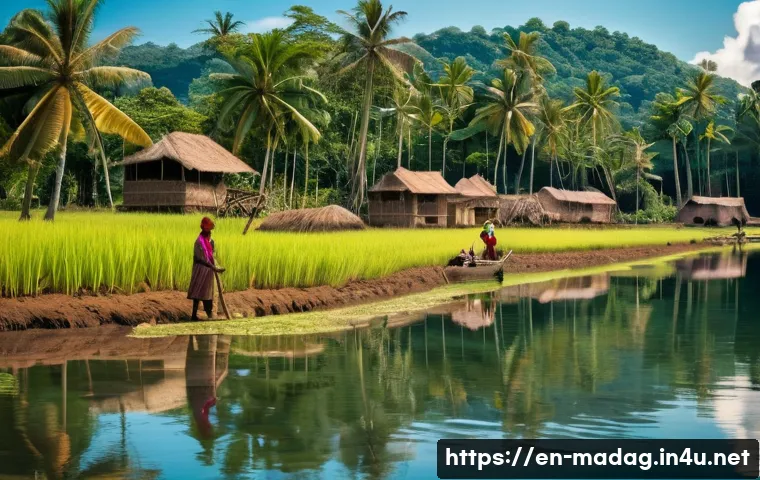
Agriculture, especially rice cultivation, became central to their way of life, supported by sophisticated irrigation methods adapted to the island’s varied terrain.
Over centuries, these small communities expanded and interacted, leading to the development of larger chiefdoms and early political entities. The Malagasy people’s connection to their land and ancestors became deeply ingrained, influencing their customs and worldview to this day.
Influence of External Trade Networks
Madagascar’s strategic location in the Indian Ocean made it a hub for maritime trade long before European contact. Arab, Persian, and later Swahili traders established commercial links, exchanging goods like spices, gold, and slaves.
These interactions introduced new cultural elements, including Islam, which took root primarily along the coastal regions. The influx of wealth and ideas from these trade networks helped some Malagasy communities flourish and increased social stratification.
This period was essential in setting the stage for the rise of powerful kingdoms that would emerge in the island’s central highlands and coastal areas.
Rise and Dynamics of Malagasy Kingdoms
The Merina Kingdom’s Ascendancy
Among the many Malagasy kingdoms, the Merina kingdom, centered in the central highlands around Antananarivo, emerged as the most dominant by the 19th century.
It began as a relatively small chiefdom but expanded aggressively under visionary leaders like King Andrianampoinimerina. His strategy was not just military conquest but also unifying various clans through alliances and administrative reforms.
He implemented a centralized bureaucracy that increased state control and promoted agricultural productivity. This consolidation of power made the Merina kingdom a formidable force, capable of resisting foreign encroachment for a time and establishing itself as the political and cultural heart of Madagascar.
Other Notable Kingdoms and Their Roles
While the Merina kingdom grew in influence, other powerful entities like the Sakalava in the west and the Betsimisaraka on the east coast maintained their own spheres of control.
These kingdoms had distinct political systems, military traditions, and cultural practices. For example, the Sakalava were known for their naval prowess and controlled important coastal trade routes.
The Betsimisaraka formed a loose confederation of clans that emphasized maritime trade and had considerable interactions with European traders. The interplay between these kingdoms created a dynamic political landscape characterized by both cooperation and rivalry, which shaped the island’s history before colonial intervention.
Societal and Cultural Flourishing
The period of kingdom formation was also marked by significant cultural developments. The Malagasy people refined their oral traditions, music, and crafts, which often reflected the values and histories of their respective kingdoms.
Royal courts became centers of artistic patronage and religious activity, especially ancestor worship, which reinforced political authority. The introduction of new technologies and ideas from abroad, combined with indigenous creativity, resulted in a rich cultural tapestry that continues to be celebrated today.
Understanding these kingdoms’ complexity helps appreciate how Madagascar’s identity was forged well before European colonization.
European Contact and the Impact of Colonial Ambitions
First Encounters and Trade Relations
European explorers first arrived on Madagascar’s shores in the early 16th century, with the Portuguese among the earliest visitors. Initially, contact was sporadic and focused on trade, with Europeans seeking spices, timber, and other resources.
Over time, the island attracted interest from the Dutch, French, and British, each establishing trading posts and forming alliances with local rulers.
These early interactions were a mix of cooperation and conflict, as Malagasy leaders sought to leverage European goods and technologies to strengthen their positions.
However, Europeans were also keen on expanding their political influence, which set the stage for more direct intervention.
French Colonial Expansion and Control
By the 19th century, France had established itself as the dominant colonial power on the island. After several military campaigns, the Merina monarchy was eventually subdued, and Madagascar became a French colony in 1896.
French rule brought profound changes, including the imposition of new administrative systems, infrastructure development, and economic exploitation of natural resources.
The colonial government disrupted traditional power structures and introduced Western education and Christianity. Despite these changes, resistance persisted, with various uprisings and movements expressing Malagasy opposition to foreign domination.
The colonial period deeply affected the island’s social fabric and sowed the seeds for future independence efforts.
Resistance Movements and Cultural Preservation
Throughout the colonial era, Malagasy people demonstrated resilience through both overt and subtle forms of resistance. Notable uprisings, such as the 1947 rebellion, revealed the widespread dissatisfaction with French rule and the desire for self-determination.
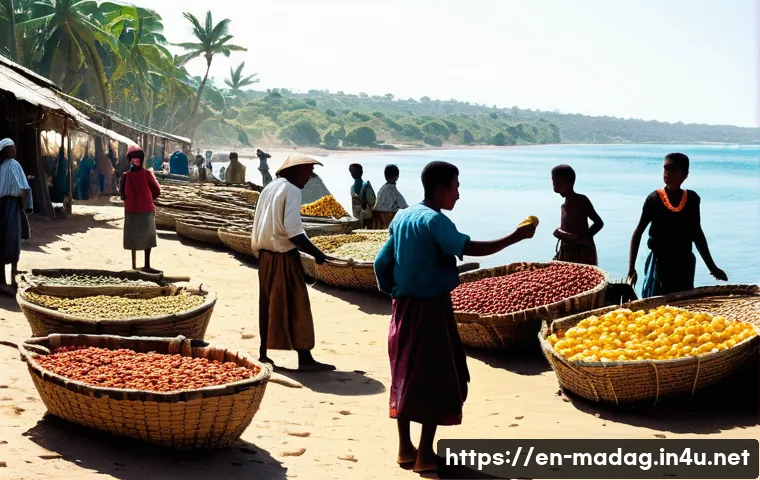
At the same time, many Malagasy worked to preserve their language, customs, and beliefs despite assimilation pressures. Religious leaders, intellectuals, and community organizers played vital roles in sustaining national identity.
This period also saw the rise of political movements advocating for autonomy and the rights of Malagasy citizens, setting the foundation for the eventual independence struggle.
Pathways to Independence and Nation-Building
Political Awakening and Nationalist Leaders
The early 20th century witnessed a growing political consciousness among Malagasy elites and the broader population. Influenced by global decolonization trends and the hardships of colonial rule, nationalist leaders began organizing to demand political reforms.
Figures like Philibert Tsiranana emerged, promoting peaceful negotiation with the French while mobilizing popular support. Political parties and unions formed, creating platforms to articulate Malagasy aspirations.
The gradual expansion of political rights during the post-World War II period provided opportunities for increased Malagasy participation in governance, accelerating the push toward independence.
Negotiations and Transition to Sovereignty
Negotiations with the French government intensified in the 1950s, fueled by both domestic pressure and international shifts against colonialism. The process was complex, involving debates over the island’s political status, economic arrangements, and cultural autonomy.
In 1958, Madagascar became an autonomous republic within the French Community, a crucial step toward full independence. This transitional phase allowed Malagasy leaders to gain administrative experience and prepare for self-rule.
Finally, on June 26, 1960, Madagascar officially declared independence, marking the end of colonial rule and the beginning of a new chapter.
Challenges in Early Nationhood
The immediate post-independence years were marked by both optimism and difficulties. Building a cohesive national identity from diverse ethnic groups, managing economic development, and establishing stable political institutions proved challenging.
The new government faced the task of balancing modernization with respect for traditional values. Internal political tensions and external pressures sometimes threatened stability, but efforts to promote education, healthcare, and infrastructure helped lay the groundwork for future progress.
The legacy of colonialism remained a factor, but the resilience and determination of the Malagasy people were central to the nation-building process.
Legacy of Madagascar’s Historical Journey in Contemporary Society
Cultural Identity and Heritage Preservation
Today, Madagascar’s rich history continues to shape its cultural identity in profound ways. The blending of African and Asian origins, the influence of ancient kingdoms, and the experience of colonialism are all reflected in Malagasy art, music, language, and social customs.
Festivals and rituals honoring ancestors remain vital, linking past and present. Efforts to preserve historical sites and promote Malagasy heritage have gained momentum, fostering pride and awareness among younger generations.
This ongoing connection to history helps Malagasy people navigate the complexities of modern life while honoring their roots.
Political and Economic Reflections
The island’s historical trajectory also informs its contemporary political and economic challenges. Issues of regional disparity, ethnic diversity, and governance trace back to the legacy of kingdom rivalries and colonial divisions.
Madagascar’s economy, heavily reliant on agriculture and natural resources, reflects both traditional practices and the impacts of external exploitation.
Understanding this history is crucial for policymakers and citizens aiming to address inequality, foster sustainable development, and strengthen democratic institutions.
The past serves as a guide and a reminder of the resilience needed to overcome ongoing obstacles.
Global Connections and Future Prospects
Madagascar’s history as a crossroads of cultures and trade continues to influence its role on the global stage. The island’s biodiversity and unique cultural heritage attract international attention and partnerships, offering opportunities for tourism, research, and economic cooperation.
However, balancing development with environmental conservation remains a pressing challenge. The historical experience of navigating external influences equips Madagascar with valuable lessons for engaging with globalization on its own terms.
Looking ahead, the island’s story of adaptation and perseverance provides hope for a future where tradition and innovation coexist harmoniously.
| Period | Key Events | Significance |
|---|---|---|
| Early Settlers (1,500-2,000 years ago) | Migration from Southeast Asia and Africa; establishment of agricultural communities | Foundation of Malagasy cultural and linguistic identity |
| Kingdom Era (up to 19th century) | Rise of Merina and other kingdoms; political unification and cultural development | Formation of centralized authority and rich traditions |
| Colonial Period (1896-1960) | French conquest; imposition of colonial administration; resistance movements | Transformation of social structures and emergence of nationalism |
| Independence and Nation-Building (1960 onward) | Declaration of independence; political consolidation; economic and social challenges | Establishment of Malagasy sovereignty and ongoing development |
Conclusion
Madagascar’s history is a remarkable journey of diverse peoples coming together to create a unique cultural identity. From early migrations and kingdom formations to colonial challenges and the pursuit of independence, the island’s story reflects resilience and adaptation. Understanding this past helps us appreciate the richness of Malagasy society today and its ongoing path toward growth and unity.
Useful Information to Know
1. Madagascar’s original settlers came from both Southeast Asia and Africa, making its culture uniquely blended.
2. The Merina kingdom played a pivotal role in unifying the island before colonial times.
3. French colonization deeply influenced Madagascar’s political and social structures.
4. Resistance movements during colonial rule helped preserve Malagasy identity and culture.
5. Madagascar’s diverse heritage continues to shape its modern challenges and opportunities.
Key Takeaways
Madagascar’s distinct identity results from early migrations and the blending of cultures across centuries. The rise of powerful kingdoms established social and political foundations that endured through colonial disruption. Despite foreign domination, the Malagasy people maintained their traditions and fought for sovereignty, leading to independence in 1960. Today, the island’s history informs its cultural pride, political landscape, and economic development, highlighting the importance of resilience and unity in shaping its future.
Frequently Asked Questions (FAQ) 📖
Q: What were the main cultural influences that shaped Madagascar’s early history?
A: Madagascar’s early history was shaped by a unique mix of Southeast Asian and African influences. The first settlers are believed to have come from the Indonesian archipelago around 1,500 to 2,000 years ago, bringing with them farming techniques and language roots that still exist today.
Later, African migrants from the east coast of the continent added their customs and traditions, creating a rich cultural fusion. This blend is reflected in the Malagasy language, social structures, and even the island’s biodiversity, making Madagascar truly unique among African nations.
Q: How did French colonial rule impact Madagascar’s path to independence?
A: French colonial rule, which began in the late 19th century, had a profound impact on Madagascar’s political and social landscape. The French imposed new administrative systems and economic policies that disrupted traditional power structures.
However, the Malagasy people showed remarkable resilience, organizing uprisings and political movements throughout the colonial period. The push for independence gained momentum after World War II, influenced by global decolonization trends.
Finally, in 1960, Madagascar achieved independence, marking the end of colonial domination and the start of self-governance, though the legacy of colonial rule continued to influence its development.
Q: Why is understanding Madagascar’s history important for appreciating its culture today?
A: Understanding Madagascar’s history is key to appreciating its vibrant culture because it explains the island’s diverse traditions, languages, and social practices.
The historical blend of Asian and African roots, combined with the experience of colonialism and struggle for independence, shaped how Malagasy people view their identity and community.
This background helps explain everything from their music and dance to their respect for ancestors and environmental stewardship. Knowing the story behind these cultural elements allows visitors and scholars alike to connect more deeply with Madagascar’s people and their unique way of life.