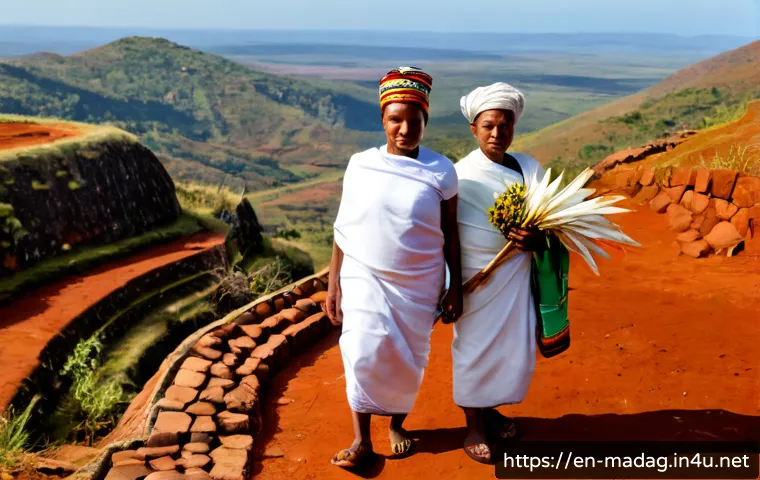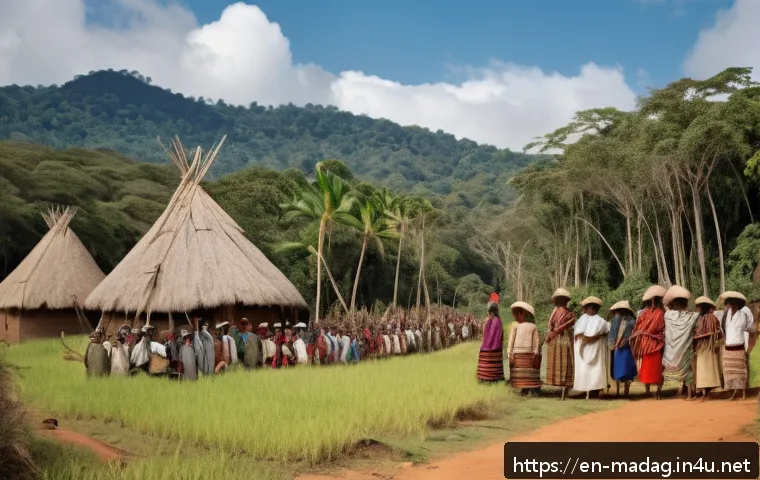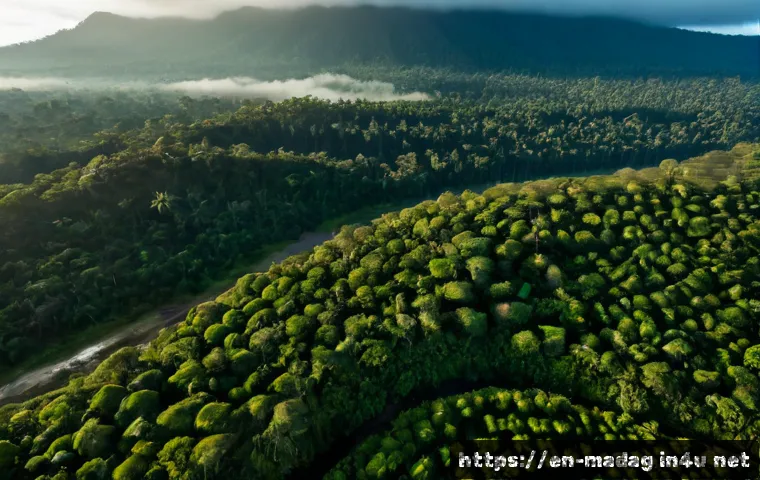
Protecting Madagascar’s remaining intact forests, supporting local livelihoods, and checking project claims carefully are usually more meaningful than choosing the cheapest “green” option.

Donations, ecotourism bookings, restoration support, and sustainable sourcing can all help, but only when community participation and credible evidence are present.
Madagascar’s ecosystems hold exceptionally high levels of endemic plant and animal life, so fragmented habitat can have serious consequences for wildlife movement, feeding, and breeding.
Forest loss also affects people through soil erosion and sediment runoff into rivers, wetlands, farms, and coastal ecosystems. For travelers, donors, and businesses, the practical choice is not simply whether to spend more, but what the money supports and how results are documented.
Compare transparency, local benefit-sharing, land-rights safeguards, and measurable outcomes before booking, donating, or entering a conservation partnership.
At a Glance
- Protect existing natural forest first: restoration can be useful, but it does not replace intact habitat.
- Local livelihoods matter: conservation is more likely to last when communities can participate and benefit.
- Verify the claim: nature branding, tree planting, or carbon language alone does not prove a project protects forests.
| Option to Compare | What to Look For | Community Benefit Signal | Evidence to Request |
|---|---|---|---|
| Protected-area donation | Clear purpose, governance, and reporting | Local participation in protection and management | Current activity reports and stated conservation priorities |
| Community-led conservation | Land-rights safeguards and local decision-making | Shared benefits, local jobs, and meaningful consent | Details on governance and benefit-sharing arrangements |
| Restoration initiative | Appropriate location and long-term care | Local work and locally supported planning | Project-specific restoration methods and follow-up reporting |
| Responsible ecotourism | Visitor management and transparent operations | Local guides, services, and income opportunities | How visitor fees and operations support local people and nature |
| Sustainable sourcing program | Traceability and practical forest-risk controls | Fair participation by producers and communities | Supplier standards, monitoring, and partnership documentation |
Why Madagascar’s Remaining Forests Matter Now
A Quick Answer: Habitat Protection, Livelihoods, and Watershed Health Are Connected
Madagascar contains ecosystems with exceptionally high levels of endemic plant and animal species. When forests are cleared or degraded, habitats can become fragmented. That can make it harder for wildlife populations to feed, breed, and move safely between suitable areas.
The effects are not limited to wildlife. Trees and ground cover can help protect soil, especially on steep slopes. When this protection is removed, soil erosion can increase, and sediment may move into rivers, wetlands, farmland, and coastal ecosystems. A conservation decision should therefore consider habitat, water, land use, and household income together.
Protected areas can help conserve important habitats, but they are not a stand-alone answer. Their long-term outcome can depend on local livelihoods, enforcement, land rights, and community participation. A project that ignores these conditions may sound ambitious while lacking the support needed to endure.
Why Biodiversity Loss Cannot Be Solved by Tree Planting Alone
Tree planting can be part of restoration, but it should not be treated as a substitute for protecting existing natural forest. An intact forest already supports habitat relationships that may be difficult to recreate. It can also provide ground-cover protection that helps limit erosion and sediment runoff.
When reviewing a restoration initiative or carbon-related offer, ask a simple question: Does this project protect existing forest as well as restore degraded land? A planting claim without project-specific information about location, maintenance, community involvement, and longer-term outcomes is incomplete.
Do not assume that stated restoration acreage, carbon-credit language, or species-protection claims prove ecological success. These claims need current, project-specific verification.
What Is Driving Forest Loss Across the Island?
Agriculture, Charcoal, Fires, and Logging Pressures
Forest degradation and loss can be linked to several overlapping pressures. Small-scale agriculture, fuelwood and charcoal demand, fires, and illegal or unsustainable logging can all contribute. The mix of pressures may differ by place, so a useful conservation program explains the local context rather than offering one generic solution.
For example, a program focused only on enforcement may miss the energy needs behind fuelwood and charcoal use. A program focused only on planting may fail to address ongoing clearing or fire risks. Stronger approaches connect forest protection with practical alternatives that reduce pressure over time.
How Poverty, Energy Access, and Land-Use Decisions Shape Outcomes
Forest decisions are often tied to daily needs, including income, farming, and household energy. This is why improved cookstoves, agroforestry, alternative livelihoods, and restoration projects may be relevant when they are designed with local communities. They may reduce pressure on forests, but the design and local fit matter.
A donor or business should avoid assuming that a project benefits communities merely because it mentions jobs or sustainability. Look for clear information about who participates, how decisions are made, and whether local people receive meaningful benefits.
For sustainability teams, this also applies to responsible sourcing. A supplier or partnership should not be described as forest-friendly only because it uses environmental imagery or broad sustainability language. Ask for practical information about sourcing controls, local engagement, and monitoring.
Compare Conservation Approaches Before You Donate, Book, or Partner
Protected Areas, Community-Managed Forests, Restoration, and Agroforestry
Each conservation approach can serve a different purpose. Protected-area support may focus on conserving habitat. Community-managed forests can place local participation and governance at the center. Restoration may help recover degraded areas. Agroforestry may offer a way to link livelihoods with land-use practices that reduce pressure on forests.
There is no automatic best choice. A protected-area donation may be suitable when the organization clearly explains its role in habitat protection and local engagement. A community-led initiative may be more suitable when local governance, land rights, and benefit-sharing are central concerns. Restoration can be useful where degradation has occurred, but it should not distract from the need to prevent further loss of natural forest.
What Costs and Value Signals to Compare in a Conservation Program
Low cost is not the same as high value. Before donating or choosing a conservation partnership, compare cost visibility, transparency, community benefit-sharing, and evidence of work. A higher-priced responsible option may be worth considering when it provides clearer documentation, locally rooted participation, and better visitor or project management.
Useful questions include:
- What will the payment, donation, or partnership support?
- Does the organization publish current information about its activities?
- How are local communities involved in planning and decision-making?
- Are land rights and community consent addressed?
- What evidence is available beyond broad environmental claims?
Do not treat spending efficiency, ecological outcomes, or community benefits as automatic. These need to be checked through current documentation from the specific organization or project.
When Responsible Ecotourism Can Create Local Economic Value
Ecotourism can support conservation and local income, but its value depends on transparent operations and responsible visitor management. A wildlife or rainforest experience should not be assumed to be responsible simply because it is marketed as “eco,” “green,” or nature-based.
When comparing Madagascar ecotourism operators, look for signs that local guides, local services, and community participation are part of the operation. Also ask how the operator manages visitor behavior around sensitive habitats. Responsible travel is not only about where a trip goes; it is also about how visitors are managed and who receives economic value.
Before booking, review the operator’s official trip details for its community engagement, visitor practices, and conservation approach.
Practical Due Diligence: Avoid Green Claims That Do Not Protect Forests
Transparency Checks for Donations, Carbon Projects, and Tourism Providers
Start with documents and specifics. A credible conservation donation, carbon project, restoration initiative, or tourism provider should be able to explain what it does, where it works, and how local people are involved. General promises are not enough for a careful decision.
For a donation, look for a current explanation of activities and priorities. For a carbon or restoration project, look for project-specific information rather than relying on headline claims. For a tourism provider, look for clear operational details rather than a logo or a vague conservation statement.
Questions About Community Consent, Local Jobs, and Benefit-Sharing
Community participation is not a decorative line in a brochure. Ask whether local people have a role in decisions, whether land rights are considered, and how benefits are shared. A project may create local work, but it is still reasonable to ask what kind of work is involved and whether communities have a meaningful voice.
For businesses exploring an environmental partnership, these questions should be part of supplier and partner review. A sustainability partnership should demonstrate more than a promotional story. It should show how its stated approach connects to people, land use, and forest protection.
Red Flags: Vague Impact Claims, Unsupported Offsets, and Missing Reporting
Be cautious when a project relies on broad phrases such as “saving the rainforest” without explaining its work. Other warning signs include unclear reporting, no information about local participation, unsupported offset claims, and statements that imply tree planting alone solves forest loss.
Carbon-credit claims, restoration acreage, and species-protection outcomes all require project-specific verification. If key details are unavailable, treat the claim as unverified rather than filling in the gaps with assumptions.
Choose the Right Action for Your Situation
For Travelers Planning Wildlife and Rainforest Visits
Choose a Madagascar ecotourism option based on more than price or scenery. Compare whether the operator explains local guide involvement, visitor management, and how tourism connects to conservation or community income. If one option is less expensive but provides no meaningful detail, paying more for a verified low-impact service may be the more responsible choice.
Keep expectations realistic. Tourism can contribute to conservation and local livelihoods, but its benefits depend on how the operation is run.
For Donors Seeking Long-Term Conservation Impact
Start by prioritizing intact forest protection and locally supported work. Then compare conservation donations by transparency, stated activities, community participation, and current reporting. A donation can be a thoughtful choice when the organization provides enough detail for you to understand what it supports.
Do not choose a project only because it promises trees, offsets, or a simple headline result. Ask whether it addresses the conditions that place forests under pressure, including livelihoods, energy needs, land use, and local participation.
For Businesses Reviewing Sustainable Sourcing or Environmental Partnerships
Businesses should look beyond nature-themed marketing. A sustainable sourcing program or conservation partnership deserves closer review when it makes claims about forest protection, restoration, or community impact. Compare supplier standards, traceability information, local engagement, and the evidence available for stated outcomes.
A useful internal standard is simple: do not promote what cannot be explained and supported with current documentation. This helps reduce the risk of repeating claims that sound positive but are not adequately verified.
Selection Criteria and Comparison Summary
Prioritize Intact Forest Protection and Locally Supported Solutions
First, ask whether the option helps protect existing natural forest or merely promotes a future planting activity. Next, assess whether it recognizes local livelihoods, land rights, and community participation. Forest conservation is stronger when the people living with land-use decisions are treated as partners rather than an afterthought.
Compare Evidence, Accountability, Community Value, and Total Cost
Compare transparency, local benefit-sharing, and evidence before booking or donating. Use these checks before spending, supporting, or promoting a project:
- Purpose: Is it clear what your payment, donation, or partnership supports?
- Evidence: Are there current, project-specific details rather than broad claims?
- Community value: Are local participation, consent, land rights, and benefit-sharing addressed?
- Accountability: Does the provider explain its activities and decision-making clearly?
- Forest priority: Does the approach protect natural forest rather than relying only on tree planting or offsets?
A Final Checklist Before Spending, Donating, or Promoting a Project
Choose the option that gives the clearest answers, not simply the lowest price or most attractive environmental slogan. Check the official project, operator, or partnership page for current conditions, reporting, and participation details before making a commitment.
In Closing
Madagascar’s forest loss is tied to biodiversity, soil protection, water systems, and local livelihoods. Protected areas, agroforestry, restoration, improved cookstoves, alternative livelihoods, and responsible ecotourism can all have a role, depending on local design and participation. The most useful decision rule is to protect existing forest, support locally grounded solutions, and verify claims before funding or promoting them. A careful comparison can make a donation, trip, or business partnership more credible and more aligned with real conservation needs.
Useful Things to Know
1. Forest fragmentation matters: wildlife may struggle to feed, breed, and move safely when habitat is broken into smaller areas.
2. Erosion has wider effects: sediment runoff can affect rivers, wetlands, farmland, and coastal ecosystems.
3. “Eco” is not proof: nature-related branding does not automatically show that a tourism operator or product is sustainable.
4. Tree planting has limits: it may support restoration, but it is not a replacement for protecting existing natural forest.
Important Notes
The exact current deforestation rate can vary by dataset, forest definition, time period, and monitoring method. Individual organizations’ spending efficiency, local benefit-sharing, and ecological results should be checked through current documentation rather than assumed. Carbon claims, restoration acreage, and species-protection outcomes also require project-specific verification.
Frequently Asked Questions
Q1. What are the main causes of deforestation in Madagascar?
A1. Forest degradation and loss can be linked to small-scale agriculture, demand for fuelwood and charcoal, fires, and illegal or unsustainable logging. The specific pressures can vary by location, and they are often connected to livelihoods, energy access, and land-use decisions.
Q2. Is donating to a tree-planting project the best way to protect Madagascar’s forests?
A2. Not necessarily. Restoration may be useful, but tree planting should not be treated as a substitute for protecting existing natural forest. Compare whether a project also addresses habitat protection, local participation, land rights, and ongoing pressures on forests.
Q3. How can travelers choose a responsible Madagascar ecotourism operator?
A3. Look for transparent information about visitor management, local guides and services, community participation, and the operator’s conservation approach. Do not rely only on “eco” branding. Compare transparency, local benefit-sharing, and evidence before booking or donating.