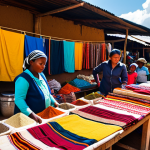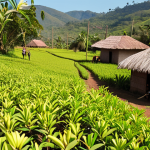
Oh, Madagascar! Just hearing the name conjures up images of emerald rainforests, ancient baobab trees, and those impossibly adorable lemurs, doesn’t it?
I’ve been fortunate enough to explore some truly breathtaking corners of the world, and let me tell you, this island nation off the coast of Africa is a bucket-list topper for so many adventurous souls.
It’s a place where every turn reveals something truly unique, a land brimming with biodiversity you simply won’t find anywhere else. But like any incredible adventure, a trip to Madagascar comes with its own set of considerations to ensure your journey is not just memorable, but also wonderfully worry-free.
From navigating local transportation to understanding cultural nuances and keeping your valuables safe, a little preparation goes a long way in transforming a good trip into an absolutely epic one.
We all want to soak in every moment without a hint of stress, right? Let’s make sure your Malagasy adventure is as smooth as a chameleon’s skin. I’m here to give you all the practical, real-world advice I’ve gathered to help you travel smart and fully immerse yourself in this magical place.
Let’s dive in and make your Madagascar dreams a safe reality.
Navigating the Local Scene: Transportation and Trust
When I first touched down in Antananarivo, the sheer buzz of the place was exhilarating, a symphony of zebu carts, bustling markets, and the occasional classic French car honking its way through.
But as exciting as it is, getting around in Madagascar requires a bit of savvy. You can’t just flag down any random ride and expect everything to be smooth sailing.
I quickly learned that understanding the local transportation, and more importantly, building a sense of trust with your chosen method, makes all the difference.
It’s about more than just getting from point A to point B; it’s about feeling comfortable and safe throughout your journey, especially when you’re carrying your camera gear or just trying to enjoy the stunning scenery without a nagging worry in the back of your mind.
I’ve found that a little pre-planning and a good dose of local insight go a long way in turning what could be a stressful experience into a memorable part of the adventure.
Choosing Your Wheels Wisely
For those longer hauls between cities, especially if you’re venturing into the more remote national parks, hiring a private car and driver is often your best bet.
I know, I know, it sounds a bit fancy, but hear me out. The roads can be… let’s just say “adventurous.” Potholes the size of small craters are not uncommon, and distances that look short on a map can take hours.
Having an experienced local driver who knows the terrain, speaks the local dialect, and understands the rhythm of the road is invaluable. I once tried to save a few bucks on a shared taxi to Isalo, and while it was an experience, it was also cramped, incredibly slow, and honestly, a little nerve-wracking on some of those winding mountain passes.
Spending a bit more for comfort and peace of mind is an investment in your sanity and safety, allowing you to actually enjoy the scenery unfold outside your window.
Look for reputable tour operators or ask your accommodation for recommendations; they usually have trusted contacts.
The Art of the Pousse-Pousse and Tuk-Tuk
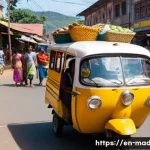
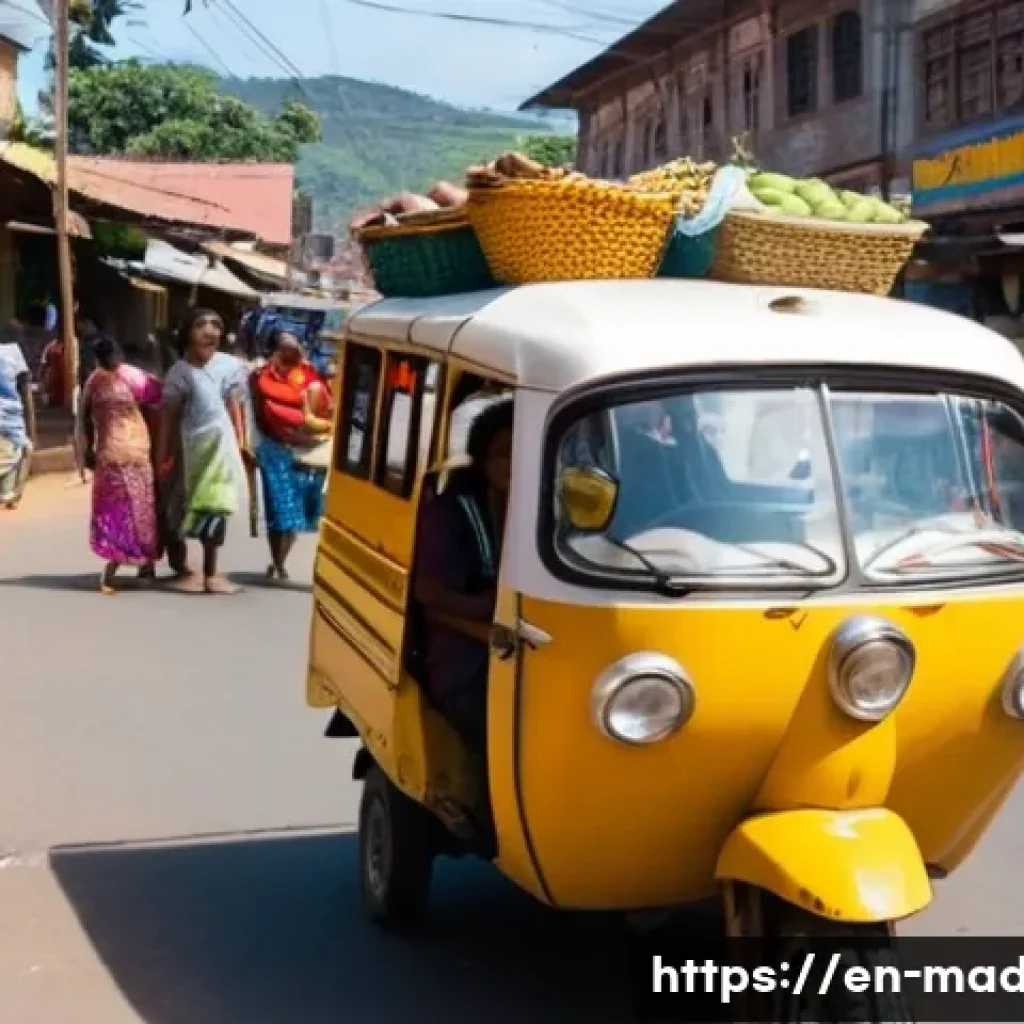
In towns and smaller cities, you’ll encounter *pousse-pousses* (rickshaws, often pulled by a person) and *tuk-tuks* (auto-rickshaws). They’re incredibly charming and a fantastic way to soak in the local atmosphere, but a word to the wise: always agree on the fare *before* you start your ride.
I learned this the hard way on my first day in Fianarantsoa, where a short ride suddenly became a prolonged negotiation at my destination. It’s not that anyone was trying to be malicious, but differing expectations can lead to awkward moments.
A friendly smile and a firm, clear agreement on the price in Ariary before you hop in will save you a world of trouble. Also, try to learn a few basic Malagasy phrases like “Firy ny vidiny?” (How much is it?) – it goes a long way in showing respect and often gets you a fairer price.
Keeping Your Valuables and Peace of Mind Intact
It’s a truth universally acknowledged in travel: wherever you go, it’s wise to be mindful of your belongings. Madagascar is no exception. While the vast majority of people you’ll meet are incredibly warm and welcoming, opportunistic theft can occur, just like in any popular tourist destination worldwide.
I remember feeling a bit overly cautious at first, clutching my bag tightly, but then I found a balance. It’s not about being paranoid; it’s about being smart and proactive so you can truly relax and immerse yourself in the incredible experiences Madagascar has to offer.
You want to be present for that lemur spotting, not constantly checking over your shoulder for your camera bag.
Smart Strategies for Your Essentials
My go-to strategy for valuables is always “out of sight, out of mind.” A good quality cross-body bag that’s difficult to snatch, worn facing forward, is a solid choice for daily essentials like your phone and some cash.
For larger amounts of money, passports, and extra credit cards, a money belt or a secure pouch worn under your clothing is indispensable. I even use small, discrete combination locks on my backpack zippers when I’m moving between locations or leaving it in a hotel room – it’s a simple deterrent that adds a layer of security.
When I’m out exploring, I only carry what I absolutely need for the day, leaving the rest locked up at the accommodation. It removes the stress of worrying about losing something truly irreplaceable.
Navigating Crowds and Distractions
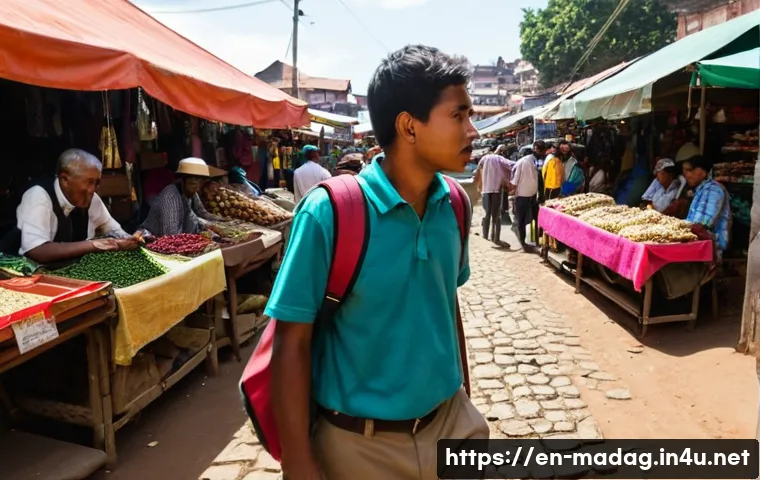
Areas like busy markets, bus stations, or major tourist attractions naturally draw larger crowds, and unfortunately, this is where petty theft is most likely to occur.
I recall being fascinated by the vibrant colors and smells of a local market, only to realize later that someone had tried to subtly unclip a side pocket of my backpack.
Luckily, I felt it in time. My advice? Be hyper-aware in these situations.
Keep your bag zipped and close to your body. Avoid flashing expensive jewelry or cameras unnecessarily. If you’re taking photos, do so with purpose, and then tuck your camera away.
And sometimes, a confident posture and an awareness of your surroundings are the best deterrents. It signals that you’re not an easy target.
Staying Healthy and Happy: A Traveller’s Well-being Guide
Ah, travel health! It’s one of those things you don’t really think about until you need it, and then suddenly it’s *all* you can think about. Madagascar, with its unique ecosystems and tropical climate, presents its own set of considerations.
My approach has always been to prepare thoroughly so I can enjoy the adventure without unnecessary worries. From what to pack in your medical kit to understanding local health risks, a little foresight can save you from a lot of discomfort, or worse, cutting your trip short.
You want to remember the majestic baobabs, not a bad stomach bug!
Packing Your Personal Pharmacy
Before I even consider my outfits, my travel medical kit is the first thing I pack. And trust me, after a couple of minor mishaps on previous trips, it’s now a well-stocked arsenal.
Think beyond the basic band-aids. For Madagascar, definitely include anti-malarial medication (prescribed by your doctor, of course), a good insect repellent with DEET, anti-diarrhea medication (just in case!), rehydration salts, pain relievers, and any personal prescription medications.
Sunscreen is an absolute must – the Malagasy sun is no joke! I also carry a small bottle of hand sanitizer; it’s a lifesaver when soap and water aren’t readily available, especially before eating.
Food and Water Wisdom
This is probably the most common travel ailment culprit. My golden rule for food and water in Madagascar (and many other places): “Boil it, cook it, peel it, or forget it!” Stick to bottled water – and check that the seal is unbroken.
Avoid ice in drinks unless you’re absolutely certain it’s made from purified water. For food, I tend to gravitate towards freshly cooked meals served hot.
Street food can be delicious, but be discerning. Look for vendors with high turnover, where the food is cooked right in front of you. Peeling your own fruits is a good practice.
I learned to appreciate the simple pleasure of a perfectly ripe, freshly peeled mango. Trust me, a little caution here prevents a lot of misery later.
Embracing Local Customs and Respecting the “Fady”
One of the most enriching parts of traveling, for me, is diving headfirst into the local culture. Madagascar has such a rich tapestry of traditions, beliefs, and social norms, collectively known as *fady*.
These are often prohibitions or taboos specific to certain regions, tribes, or even families, and they are deeply respected. Understanding and respecting these *fady* isn’t just about being a polite tourist; it’s about connecting with people on a deeper level and ensuring a smooth, respectful interaction.
I’ve found that showing a genuine interest in their ways opens so many doors and truly enhances the travel experience.
Understanding the “Fady”
*Fady* can range from simple rules like not pointing with your finger (use an open hand instead) to more complex prohibitions like not eating certain animals in specific villages, or not wearing particular colors near sacred sites.
For instance, in some parts, it’s *fady* to eat pork, while in others, you shouldn’t visit a tomb if you’re pregnant. The beauty of it is that they are so localized!
You absolutely won’t know them all, and that’s okay. The best approach is to ask your guide or local hosts about any *fady* relevant to the area you are visiting.
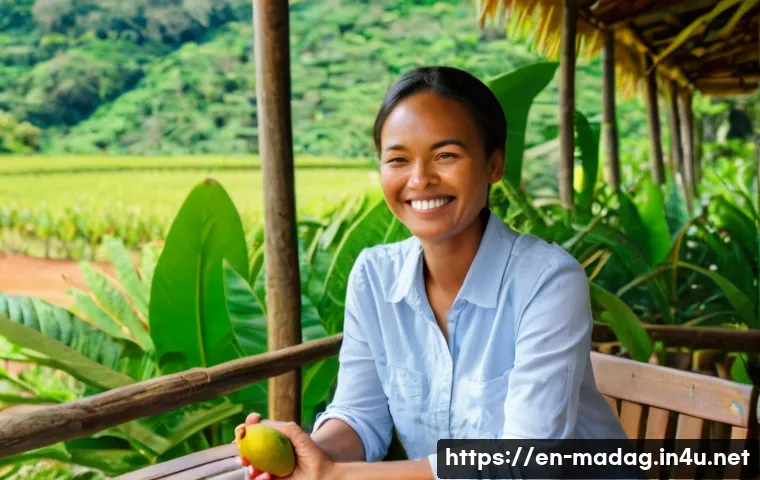
I remember asking my guide before entering a sacred forest, and he politely informed me that women shouldn’t wear trousers. A quick scarf wrap sorted it, and the gratitude in his eyes for asking was truly heartwarming.
Connecting with Locals: A Rewarding Experience
Malagasy people are generally incredibly friendly and curious about visitors. Learning a few basic phrases in Malagasy, like “Salama” (Hello) and “Misaotra” (Thank you), will get you miles.
A genuine smile goes even further. Don’t be afraid to interact; I’ve had some of my most memorable moments simply by trying to strike up a conversation (with the help of a guide sometimes!) or observing daily life.
Remember that poverty is a reality for many, and while you shouldn’t feel obligated to give money, small gestures like buying from local artisans or offering a modest tip for good service are always appreciated.
It’s about showing respect and being a conscientious traveler, which in turn leads to more authentic and safer interactions.
Staying Connected: Communication and Emergency Protocols
In today’s interconnected world, even in remote corners of Madagascar, having a way to communicate can be a huge comfort and a practical necessity. Whether it’s letting family know you’re safe, navigating a new town with GPS, or, in the rare instance, dealing with an emergency, being connected makes everything smoother.
I’ve definitely had those moments where I was incredibly grateful for a working phone, even if it was just to double-check directions to my guesthouse after a long day of exploring.
Local SIM Cards: Your Best Friend
Before I even left the airport, grabbing a local SIM card was high on my priority list. Providers like Orange, Airtel, and Telma offer decent coverage in populated areas and tourist routes.
It’s usually a quick and inexpensive process, and suddenly you have local data for maps, quick searches, and making local calls. This is invaluable, especially if you’re coordinating with drivers or accommodation providers.
I found it so much easier than relying solely on Wi-Fi, which can be spotty or non-existent in more rural areas. Plus, having a local number makes you feel a little more integrated, less like a lost tourist.
Emergency Contacts and What to Do
While we all hope for a perfectly smooth trip, it’s always wise to have a plan for unexpected situations. Before you go, make a list of important numbers: your embassy or consulate in Madagascar, your travel insurance emergency line, and a local emergency number (though these can be inconsistent).
Share your itinerary with someone back home. In case of a serious emergency, like a medical issue or theft, contact your travel insurance provider immediately; they can guide you through local procedures and help arrange assistance.
I always keep digital and physical copies of my passport, visa, and insurance details separate from the originals, just in case.
Responsible Tourism: Protecting Paradise for Future Explorers
Madagascar is a treasure trove of unique biodiversity and vibrant culture, a truly irreplaceable destination. As travelers, we have a profound responsibility to ensure that our presence has a positive, or at least minimal negative, impact.
For me, responsible tourism isn’t just a buzzword; it’s a commitment to preserving the very things that make Madagascar so magical. It’s about leaving only footprints and taking only memories, ensuring that future generations can also marvel at its wonders.
Supporting Local and Sustainable Practices
When I choose where to stay, eat, and shop, I always try to prioritize businesses that genuinely benefit local communities and operate sustainably. This might mean choosing a locally owned guesthouse over a large international chain, buying handicrafts directly from the artisans, or dining at restaurants that source ingredients locally.
Your tourist dollars have immense power! For example, many ecotourism initiatives in Madagascar are directly linked to conservation efforts and provide employment for local people.
Visiting national parks often involves paying entry fees that go towards protecting these incredible habitats. It feels good knowing that your adventure is contributing to something bigger.
Minimizing Your Environmental Footprint
The fragile ecosystems of Madagascar need our care. Simple things like bringing a reusable water bottle and filtering tap water (if safe to do so) or refilling from large purified containers can drastically reduce plastic waste.
I always carry a small bag for my own trash until I find a proper disposal bin, especially in national parks where bins are scarce. Stick to marked trails in protected areas to avoid disturbing wildlife or damaging delicate flora.
And remember that iconic phrase: “Take nothing but pictures, leave nothing but footprints.” It sounds cliché, but it’s incredibly vital in a place as unique and vulnerable as Madagascar.
| Aspect | Key Safety Tip | Why It Matters |
|---|---|---|
| Transportation | Pre-book reputable drivers/guides; agree on *pousse-pousse*/tuk-tuk fares beforehand. | Ensures reliable transport, fair pricing, and local expertise on challenging roads. |
| Valuables | Use a money belt; carry minimal cash; keep bags secure and close. | Reduces risk of petty theft in crowded areas, allowing for stress-free exploration. |
| Health | Consult doctor for vaccinations/malarials; pack a comprehensive medical kit. | Prevents common travel illnesses and ensures you’re prepared for minor ailments. |
| Food & Water | Drink bottled/purified water only; eat hot, freshly cooked food. | Avoids waterborne diseases and food poisoning, keeping your stomach happy. |
| Local Customs | Learn basic Malagasy phrases; ask guides about local *fady* (taboos). | Shows respect, fosters positive interactions, and prevents unintentional offense. |
| Emergency | Get a local SIM card; save embassy/insurance contacts; share itinerary. | Facilitates communication and provides crucial support in unexpected situations. |
Wrapping Things Up on My Malagasy Adventures
And there you have it, folks! My journey through Madagascar was nothing short of life-changing, a vibrant tapestry of incredible landscapes, unique wildlife, and the warmest smiles you could ever imagine. Getting around and staying safe certainly came with its own set of unique lessons, but honestly, that’s part of the adventure, isn’t it? With a little preparation, a dash of local savvy, and an open heart, you’ll find that the challenges simply melt away, leaving you free to truly soak in the magic of this extraordinary island. So, go on, embrace the unexpected, and let Madagascar leave its indelible mark on your soul!
Handy Tips for Your Own Malagasy Journey
1.
Always prioritize reputable tour operators and drivers for longer distances. I’ve learned firsthand that the peace of mind knowing you’re in capable hands, especially on those adventurous roads, is truly priceless. It allows you to actually look out the window and enjoy the stunning scenery unfolding before you, rather than gripping the seat in anxiety. Your accommodation often has fantastic recommendations, so don’t hesitate to ask them for trusted contacts who know the ins and outs of the local routes.
2.
Embrace a local SIM card as soon as you arrive. Seriously, it’s a game-changer. Having reliable local data for maps, quick translations, and connecting with guides or guesthouses makes navigating so much smoother. Plus, it means you’re not constantly hunting for spotty Wi-Fi signals, keeping you connected to your loved ones back home without a hitch. It’s a small investment that pays huge dividends in convenience and security.
3.
Pack a comprehensive medical kit tailored for tropical travel. Don’t skimp on this! Beyond your usual pain relievers, make sure you have anti-malarials, a strong insect repellent, and rehydration salts. The Malagasy sun can be intense, so high SPF sunscreen is non-negotiable. Being prepared for minor ailments means you won’t have to waste precious adventure time searching for pharmacies, letting you focus on the lemurs instead of a headache.
4.
Be a discerning eater and drinker. Stick to bottled water with an unbroken seal, and when it comes to food, “cook it, boil it, peel it, or forget it” is a mantra to live by. Enjoying hot, freshly prepared meals from busy, reputable vendors is usually a safe bet. Your stomach will thank you later, trust me, and you’ll avoid any unnecessary detours to the bathroom that could put a damper on your exploration.
5.
Show genuine respect for local customs and *fady*. The Malagasy people are incredibly welcoming, and making an effort to learn a few basic phrases like “Salama” (Hello) and “Misaotra” (Thank you) goes a very long way. Always ask your local guide or hosts about any specific taboos or rules in the areas you visit. This cultural sensitivity not only enriches your experience but also fosters positive interactions and deeper connections with the wonderful locals.
Key Takeaways for a Smooth Malagasy Adventure
My biggest takeaway from Madagascar is that a little preparation and a lot of respect go a long, long way. Trust your instincts, embrace the unique local flavors, and always prioritize your safety and well-being. From navigating the bustling streets of Tana to exploring the tranquil national parks, being present, aware, and culturally sensitive will open up a world of authentic experiences. This island holds an unparalleled charm, and by traveling responsibly and thoughtfully, you’ll not only have an unforgettable trip but also contribute to preserving its magic for generations to come. So, pack smart, travel with an open mind, and get ready for an adventure unlike any other!
Frequently Asked Questions (FAQ) 📖
Q: What are your top tips for staying safe and keeping my valuables secure in Madagascar?
A: Oh, this is such a common and understandable question, and honestly, it’s one of the first things I think about when planning any adventure, especially to a place as unique as Madagascar.
From my own experiences, the key really boils down to blending in and practicing smart, everyday awareness, just like you would in any unfamiliar city back home.
I learned pretty quickly that flashing expensive gear, whether it’s a fancy camera or a new smartphone, isn’t the best idea. Instead, I always kept my valuables tucked away discreetly, only pulling out my phone for a quick snap and then putting it right back.
When I was moving around, especially in crowded markets or busy towns, I’d keep my backpack or day bag securely in front of me, not slung casually behind.
Trust me, that little bit of extra caution goes a long way. Another thing I absolutely swear by is using the hotel safe for my passport and any extra cash or cards I don’t need for the day.
And here’s a pro tip from my own travels: when you’re out and about, consider carrying a “decoy wallet” with a small amount of local currency and maybe an expired card.
It sounds a bit extreme, but it’s a brilliant backup plan that brings a surprising amount of peace of mind. Ultimately, the Malagasy people are incredibly warm and welcoming, but like anywhere else, it pays to be street-smart and not make yourself an obvious target.
Trust your gut, and if a situation feels off, just politely remove yourself. I always felt safest when I was with a local guide; their insights and presence are invaluable.
Q: How can I best navigate transportation in Madagascar, especially if I want to explore beyond the main cities?
A: Getting around Madagascar is, shall we say, an experience in itself! It’s definitely not like hopping on a train in Europe or hailing a cab in New York.
When I first planned my trip, I was a little overwhelmed by the options, but after a bit of trial and error, I found a rhythm. For getting between major towns, the taxi-brousses (bush taxis) are the local way, and they are an adventure!
Imagine a minivan packed to the brim with people, luggage, and sometimes even a few chickens, all rumbling down a less-than-perfect road. It’s certainly a budget-friendly option and a fantastic way to meet locals, but be prepared for long journeys, frequent stops, and a definite lack of personal space.
My advice? If you choose the taxi-brousse route, pack light, be patient, and embrace the chaos – it’s part of the authentic Malagasy experience! However, if comfort and speed are higher on your priority list, especially for longer distances or getting to more remote national parks, I found that hiring a private car with a driver was an absolute game-changer.
Yes, it’s more expensive, but the flexibility, comfort, and the driver’s local knowledge are worth every penny. My driver was essentially my private guide, pointing out things I would have completely missed and offering fascinating insights.
For shorter distances within towns, regular taxis are abundant, just make sure to agree on the fare before you start your journey. No matter your choice, always factor in extra time; delays are more of a rule than an exception on this incredible island.
Q: What are some important cultural etiquettes or customs I should be aware of to show respect to the local Malagasy people?
A: Oh, this is such an important question, and truly, showing respect for local customs is what transforms a good trip into a deeply enriching one. I remember feeling a little nervous about accidentally offending someone, but the Malagasy people are incredibly understanding and appreciate the effort.
The biggest thing you’ll hear about is Fady, which are traditional taboos or prohibitions. These vary by region and even by family, so while you can’t know every single one, the general rule is to be observant and, when in doubt, ask your guide or a local.
For instance, in some areas, pointing with your finger might be considered rude, so use an open hand instead. It’s also respectful to ask permission before taking photos of people, especially children, and always offer a sincere Misaotra (thank you) in return.
When visiting villages or sacred sites, dressing modestly, covering your shoulders and knees, is a sign of respect. I found that a simple sarong was my best friend for this.
And here’s a personal observation: the Malagasy culture really values community and patience. Don’t rush interactions, take the time to greet people, even if it’s just a simple Salama (hello), and truly engage with their stories.
When you’re offered something, even if you politely decline, doing so with a smile and a grateful demeanor goes a long way. I felt a much deeper connection to the island and its people by simply being mindful and open to their beautiful traditions.
It’s about being a guest in their home, and trust me, they’ll welcome you with open arms if you approach them with genuine respect.