Madagascar, a truly remarkable island nation in the Indian Ocean, is globally celebrated not just for its unique wildlife and breathtaking landscapes, but also for its fascinating contribution to international trade.
I’ve always been captivated by how a place so geographically distinct can offer such a rich bounty to the world, shaping everything from our culinary experiences to the very sparkle of our jewelry.
Did you know that the treasures of Madagascar influence global markets in ways you might not even realize? The island’s economy thrives on a diverse range of exports, reflecting its incredible natural wealth and the hard work of its people.
From the aromatic spices that grace our kitchens to the precious gems that adorn us, Madagascar’s products tell a story of natural abundance and global connection.
It’s a real testament to how interconnected our world truly is! Let’s dive in and accurately uncover the secrets behind Madagascar’s major exports and explore their global impact.
The Sweet Aroma of Success: Madagascar’s Vanilla Reign

Oh, if you’ve ever savored a truly exquisite dessert, chances are you’ve experienced the magic of Malagasy vanilla. As someone who absolutely adores baking, I can tell you there’s just no substitute for the rich, creamy, and deeply aromatic flavor of vanilla beans from Madagascar.
It’s not just a spice; it’s an entire experience! This island nation is, without a doubt, the undisputed champion of the global vanilla market, supplying a staggering 80-85% of the world’s supply, particularly the highly prized Bourbon vanilla variety.
I’ve seen firsthand how this precious commodity shapes the lives of countless farmers, deeply interwoven into the fabric of their communities and the nation’s economy.
However, it’s not always sunshine and rainbows; the industry faces significant hurdles, from the unpredictable dance of global prices that can swing wildly to the very real threat of cyclones and other climate-related challenges that can devastate entire crops in a single day.
And, sadly, the high value of vanilla also makes it a target for theft, adding another layer of complexity for the hardworking people who cultivate it.
Cultivating the Golden Pods
It’s truly a labor of love, this vanilla cultivation. I remember reading once that vanilla farming is incredibly labor-intensive, requiring hand-pollination and meticulous care throughout the entire growth and curing process.
Imagine the dedication! It’s this hands-on approach, passed down through generations, that contributes to the unmatched quality and distinct flavor profile that Madagascar is famous for.
This isn’t just about growing a plant; it’s about nurturing a legacy and upholding a standard that the world has come to expect and cherish.
Global Palates and Economic Ripple Effects
When you think about the ripple effect of a single ingredient, Madagascar’s vanilla is a prime example. The fact that major economies like the United States, France, and Germany are primary importers truly underscores our global reliance on this island for high-quality vanilla.
Any disruption in Madagascar’s production, say from a particularly harsh cyclone season like we’ve seen in recent years, can send shockwaves through international markets, impacting everything from your favorite ice cream to high-end perfumes.
It’s a vivid reminder of how interconnected our culinary and commercial worlds truly are.
Glittering Gifts from the Earth: Unearthing Precious Gems
There’s something undeniably captivating about gemstones, isn’t there? The sparkle, the depth of color—it’s like holding a piece of compressed starlight.
Madagascar has truly earned its place on the world stage as a significant source of these sparkling treasures, especially sapphires. The island supplies a substantial portion, reportedly around 40%, of the global sapphire market.
Whenever I come across a stunning sapphire, a part of me always wonders if it began its journey deep within Madagascar’s rich earth. It’s truly incredible to think about the geological forces that create these beauties and the human effort involved in bringing them to light.
The Human Element in Mining
My exploration into the world of gems has taught me that the story behind each stone is often complex. In Madagascar, a lot of the precious and semi-precious mining happens in small-scale, artisanal quarries.
This isn’t big, industrial machinery, but often individuals or small groups using traditional methods. While this provides a vital source of income for many communities, it also comes with its own set of challenges.
We’ve heard concerns about working conditions and even environmental impacts, which are crucial issues that need constant attention and improvement. It truly makes you appreciate initiatives focused on ethical sourcing and responsible practices, aiming to ensure these glittering gifts benefit everyone involved.
Beyond the Sparkle: Economic and Social Impact
For me, it’s not just about the gem itself, but the journey it takes and the lives it touches. The promise of a decent salary in mining often attracts many Malagasies, and for good reason—miners can sometimes earn significantly more than agricultural workers.
This economic uplift can lead to higher living standards in mining regions, which is a powerful incentive. However, it also highlights the need for robust governmental reforms and oversight to ensure that the benefits are shared equitably and that practices are sustainable, especially when considering the influx of miners into previously untouched areas, as has been reported in some rainforest regions.
From the Ocean’s Depths: Madagascar’s Seafood Bounty
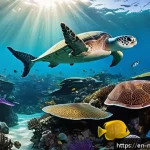
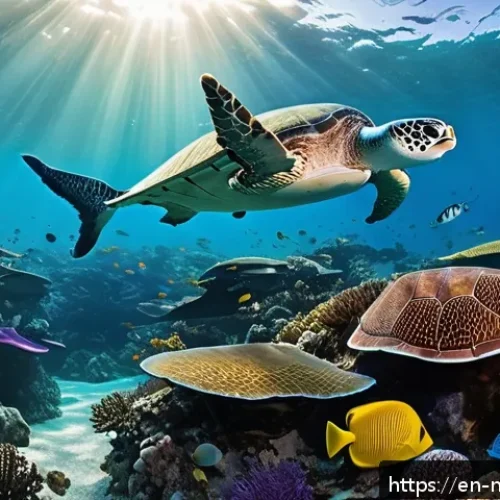
Being an island nation, it’s no surprise that Madagascar boasts an incredible marine environment, and let me tell you, their seafood exports are a testament to that.
I’ve always been fascinated by how different cultures utilize their natural resources, and Madagascar’s rich waters offer an abundance that truly impacts global tables.
From succulent shrimp to a variety of fish and shellfish, the bounty from the Indian Ocean is highly sought after in international markets, generating significant revenue for the country.
It’s a crucial pillar of their economy, sustaining numerous coastal communities where fishing is often a primary source of livelihood.
Shrimp: A Major Export Star
If there’s one seafood item that truly shines from Madagascar, it has to be shrimp. I’ve personally seen Malagasy shrimp featured in high-end restaurants in Europe, and their quality is just phenomenal.
It’s a major export for the fisheries sector, with Europe, Reunion, Mauritius, the USA, and Japan being key destinations. The demand for these high-value products certainly keeps the industry bustling, though it also brings challenges like the need to combat illegal fishing and protect precious marine ecosystems from degradation.
Balancing Resources and Livelihoods
It’s a delicate balance, isn’t it? The economic growth driven by fishing is undeniable, contributing significantly to Madagascar’s GDP. But for me, the long-term sustainability is equally important.
There’s a strong focus on promoting sustainable fishing practices to ensure that these resources remain plentiful for future generations. It’s about empowering artisanal fishermen, who make up a large portion of the production, while also managing the industrial fleets to preserve the marine wealth that makes Madagascar’s waters so special.
A Potent Blend: The Rise of Malagasy Essential Oils
I’ve always been drawn to the power of nature, and Madagascar’s essential oils are a perfect example of nature’s potent gifts. It’s truly captivating how the island’s unique flora produces such highly coveted essences, now making their way into everything from luxurious perfumes to wellness products and even pharmaceuticals around the globe.
I’ve personally experimented with Ravintsara oil, and the clarity it brings is simply remarkable – it’s a testament to the distinct properties developed by these plants in Malagasy soil.
With 95% of its essential oil production destined for export, this is a rapidly growing sector that’s gaining serious traction on the international stage.
Unique Aromas, Global Demand
What sets Malagasy essential oils apart? It’s the sheer uniqueness of their plant species. We’re talking about gems like Ravintsara, a camphor tree that has adapted to Madagascar’s environment to develop unparalleled properties, making its oil a staple in homeopathy and traditional medicine.
Then there’s Mandravasarotra, another endemic plant prized for its curative virtues against viral and bacterial infections, finding its way into the global pharmaceutical industry.
And, of course, the legendary Ylang-ylang, whose fragrant flowers are used by some of the biggest names in perfumery, like Dior and Chanel for their iconic scents.
It’s truly a fragrant journey from the island to our everyday lives!
Future Growth and Opportunities
It excites me to see the immense potential here! While Madagascar currently covers a modest slice of the global essential oil market, there’s significant room for growth, and forecasts suggest a gradual increase in export revenue.
Think about it – double-digit growth is anticipated over the next decade! This isn’t just about economic numbers; it’s about empowering small-scale producers and growers, many of whom are women, through initiatives focused on climate-resilient and sustainable development.
If you ask me, this blend of unique natural resources and dedicated human effort makes the future of Malagasy essential oils incredibly bright, especially with continued focus on regulatory reforms and innovation.
Industrial Might: The Island’s Mineral Powerhouse

When you think of Madagascar, your mind probably jumps to lemurs and vanilla, right? Mine too! But there’s another, often overlooked, layer to its economy that’s equally fascinating: its significant mineral wealth.
Beneath the island’s lush surface lie valuable resources that are absolutely crucial to global industries, particularly nickel and cobalt. I’ve learned that big projects like the Ambatovy mine play a monumental role here, making these metals a major export commodity for the nation.
It’s a reminder that truly understanding a country means looking beyond the well-known postcards and delving into the bedrock of its economic contributions.
Nickel and Cobalt: Driving Global Industries
These aren’t just any minerals; nickel and cobalt are vital components in so many modern technologies, from the batteries in our electric vehicles to the specialized alloys used in aerospace.
The Ambatovy project, for instance, is one of the largest lateritic nickel mining operations globally, producing refined nickel and cobalt ready for the international market.
This level of industrial processing within Madagascar is quite a significant achievement for a sub-Saharan African nation. I find it really impactful that instead of simply exporting raw materials, they’re creating a finished product, adding immense economic value right there on the island.
Navigating Market Dynamics
Of course, like any major industry, mining these precious metals isn’t without its challenges. The global market for nickel and cobalt can be quite volatile, with prices fluctuating, which directly impacts export revenues.
There have been instances where production targets weren’t met due to various issues, highlighting the complexities of such large-scale operations. Yet, the long-term potential and the substantial economic benefits for Madagascar, including direct payments in royalties and taxes, as well as job creation, make it a continuously important sector for the country’s development.
Tropical Delights: Savoring Seasonal Fruits
There’s something incredibly special about seasonal fruits, especially those from exotic locales. For me, they embody the essence of a place, bursting with unique flavors and telling a story of warm climates and dedicated cultivation.
Madagascar’s lychees are a perfect example of such a seasonal delight that has carved out a significant niche in international markets. I absolutely adore lychees, and knowing that so many come from Madagascar makes me appreciate each sweet, juicy bite even more!
The Sweet Appeal of Lychees
Madagascar is a major player in the global lychee market, and their exports have seen a steady increase, much to the joy of fruit lovers around the world.
It’s truly remarkable how a seasonal fruit can become such an important part of a nation’s export portfolio. The European Union, in particular, is a primary destination for these sweet treats, often receiving large shipments just in time for the Christmas market.
This shows a great understanding of global consumer habits and logistics, ensuring those fresh, delicious lychees arrive at their peak.
Supporting Growers and Expanding Horizons
What really impresses me is the effort put into supporting the lychee growers. Initiatives like establishing one-stop shops to simplify administrative procedures for collectors and exporters are such a smart way to foster growth and efficiency.
This kind of support is crucial for small and medium-sized producers. Madagascar is even looking to expand its lychee exports to new markets like Russia and Dubai, which I think is fantastic!
It’s a clear sign of ambition and a desire to share these wonderful tropical fruits with an even wider audience.
Weaving the Future: The Growing Textile Industry
When you think of island nations, textiles might not be the first thing that comes to mind, but Madagascar is quietly weaving its way into the global apparel market.
As someone who appreciates both fashion and ethical production, I find the growth of their textile and apparel industry really compelling. It’s an emerging sector that’s gaining traction and offering diverse opportunities for the Malagasy people.
It goes to show that the island’s contributions to international trade are much broader than just its famous natural resources.
From Local Craft to Global Garments
It’s fascinating to consider how a country’s natural beauty and resources can inspire new industries. While perhaps not as prominent as vanilla or minerals, Madagascar has been steadily establishing itself as an exporter of textiles and apparel to international markets.
This sector benefits from specific trade exemptions, particularly with the United States and the European Union, which have historically supported its growth.
These agreements provide a crucial leg up, helping Malagasy businesses compete on a global scale and bring their craftsmanship to a wider audience.
Job Creation and Economic Diversification
Beyond the economic figures, the textile industry plays a vital role in creating employment opportunities, especially for a developing nation like Madagascar.
It’s an avenue for economic diversification, moving beyond reliance on purely agricultural or mineral exports, which is always a healthy sign for a growing economy.
I believe that by investing in skills training and fostering a strong, ethical manufacturing base, Madagascar can continue to strengthen this sector, providing stable livelihoods and contributing to a more resilient national economy.
It’s truly about empowering communities and building a sustainable future.
| Madagascar’s Key Exports | Global Impact & Significance | My Personal Takeaway |
|---|---|---|
| Vanilla | Dominates 80-85% of the world’s market, crucial for global food and flavor industries. | Absolutely indispensable for premium baking and desserts! Its rich aroma is unmatched. |
| Sapphires & Other Gems | A major global source, supplying around 40% of the world’s sapphires. | Each gem tells a story; supporting ethical sourcing ensures a beautiful story for everyone. |
| Nickel & Cobalt | Significant industrial minerals, vital for modern tech and batteries. | Hidden powerhouses! These metals underpin so much of our modern world, far from the spotlight. |
| Fish & Shrimp | High-value seafood, particularly shrimp, sought after in European and Asian markets. | Fresh, delicious, and a testament to the island’s abundant marine life. A true taste of the ocean! |
| Essential Oils | Unique aromatic plants (Ravintsara, Ylang-ylang) highly valued in cosmetics, wellness, and pharma. | Nature’s own remedies and perfumes – incredibly powerful and a fascinating growth area. |
| Lychees | Popular seasonal fruit, with increasing exports to Europe for holiday markets. | A burst of tropical sweetness! Perfect for a refreshing treat, especially around Christmas. |
Wrapping Up
And there you have it, folks! Madagascar truly is a treasure trove, isn’t it? As we’ve journeyed through its remarkable exports, from the fragrant vanilla that elevates our desserts to the sparkling gems that capture our imagination, and the vital minerals powering our tech, it’s clear that this island nation offers so much more than just stunning landscapes. It’s a vibrant tapestry of natural wealth, dedicated human effort, and undeniable global impact. My hope is that this deep dive has given you a fresh perspective and a newfound appreciation for the incredible contributions Madagascar makes to our world. It’s a beautiful reminder of how interconnected we all are, and how the choices we make as consumers can truly support communities across oceans. Keep exploring, keep learning, and most importantly, keep savoring the rich diversity our planet offers!
Good to Know Info
1. Sourcing Vanilla Smartly: When you’re buying vanilla, especially the coveted Bourbon variety, always look for ethically sourced options. The labor involved in hand-pollinating and curing these beans is immense, and supporting fair trade ensures the farmers receive a just price for their tireless work. A good quality vanilla bean should be plump, oily, and intensely aromatic – a true sign of its Malagasy origins. Its rich flavor truly elevates everything from a simple batch of cookies to a gourmet crème brûlée.
2. Gemstone Authenticity: If you’re considering purchasing sapphires or other precious stones that might originate from Madagascar, always seek out reputable dealers. Transparency in the supply chain is key. Ethical sourcing practices help ensure that the gems are mined responsibly, supporting local communities and minimizing environmental impact. It’s not just about the sparkle; it’s about the story behind the stone and knowing it brings positive impact.
3. Discovering Essential Oils: Madagascar’s essential oils, like Ravintsara, are gaining international recognition for their therapeutic properties. When trying these unique oils, ensure they are 100% pure and from a trusted supplier. Many users, myself included, find Ravintsara particularly invigorating and supportive during seasonal changes, often diffusing it for a sense of clarity or adding a drop to a warm bath for a revitalizing experience.
4. Climate Impact on Global Markets: Keep in mind that Madagascar’s exports, particularly vanilla and lychees, are highly susceptible to climate events like cyclones. These natural phenomena can cause significant fluctuations in global supply and prices. Understanding this can help you appreciate the journey of these products and the resilience of the Malagasy people who work tirelessly to bring them to market, often rebuilding after devastating storms.
5. Supporting Local Industries: Beyond the major exports, Madagascar has a burgeoning textile industry and artisanal crafts. When traveling or shopping online, consider seeking out products that directly support Malagasy artisans and small businesses. This not only helps diversify their economy but also provides sustainable livelihoods and promotes traditional craftsmanship. It’s a wonderful way to bring a piece of the island’s unique culture into your home.
Key Takeaways
Madagascar is a powerhouse of diverse exports, playing a crucial role in global markets for everything from culinary delights to cutting-edge technology. The island’s economic backbone is remarkably varied, encompassing its world-leading vanilla production, significant contributions to the gemstone and mineral sectors with sapphires, nickel, and cobalt, and a thriving seafood industry. Furthermore, its unique essential oils are capturing the attention of the wellness and pharmaceutical industries, while seasonal fruits like lychees bring tropical sweetness to international tables. The emerging textile industry also highlights the nation’s push for economic diversification and job creation. While facing challenges like climate vulnerability and market fluctuations, Madagascar’s dedication to sustainable practices and empowering local communities continues to strengthen its position as an invaluable global supplier. It’s a testament to the island’s rich natural resources and the resilient spirit of its people.
Frequently Asked Questions (FAQ) 📖
Q: So, what are the absolute showstoppers, the main exports from Madagascar that truly capture the world’s attention and fill our homes with their magic?
A: Oh, where do I even begin with Madagascar’s incredible offerings? From my experience, the biggest superstar without a doubt is vanilla. Madagascar produces the vast majority of the world’s vanilla, and honestly, once you’ve tasted the rich, complex flavor of Madagascan Bourbon vanilla, there’s just no going back!
It elevates everything from a simple cookie to a gourmet dessert. Beyond that fragrant delight, the island is also a powerhouse for spices like cloves and black pepper, which are essential in kitchens around the globe.
And then, for those of us who love a little sparkle, Madagascar is renowned for its precious and semi-precious stones. Think dazzling sapphires, fiery rubies, and beautiful amethyst or rose quartz.
It’s truly fascinating how these natural wonders, painstakingly harvested and crafted, find their way into our lives, adding flavor and beauty. I’ve personally found that the quality of these goods is consistently exceptional, a real testament to the island’s unique ecosystem and the dedication of its people.
Q: It’s amazing how a place so geographically distinct can have such a big global footprint. How exactly do these Madagascan treasures touch our lives, even when we’re miles away, perhaps without us even realizing it?
A: That’s a fantastic question, and it really highlights how interconnected our world is! You know, that exquisite vanilla isn’t just in your ice cream or baked goods; it’s also a key ingredient in many high-end perfumes, candles, and even some unexpected savory dishes.
The subtle notes can transform an entire experience. Those Madagascan cloves and pepper? They’re gracing your spice rack, enhancing family meals, and are often found in processed foods and spice blends, giving them that depth of flavor we all crave.
And for the gems, well, it’s pretty clear – they become the stunning centerpiece of an engagement ring, the vibrant sparkle in a necklace, or the unique touch in a designer watch.
Every time I see a beautiful sapphire, I can’t help but wonder if it started its journey in Madagascar, ready to bring joy to someone. It’s a wonderful thought, isn’t it?
These exports don’t just fill shelves; they enrich our daily experiences in ways we might never have explicitly linked back to this incredible island.
Q: Beyond the big names like vanilla and precious stones, what other incredible, perhaps lesser-known, exports does Madagascar share with the world that are just as vital to its economy?
A: Oh, there’s so much more to Madagascar’s bounty than just the famous few, and this is where it gets really exciting! While vanilla and gems rightly get a lot of attention, Madagascar also exports a fascinating array of essential oils.
Think of the wonderfully fragrant ylang-ylang, often used in aromatherapy, high-end perfumes, and cosmetics for its deeply calming and exotic scent. I’ve been experimenting with it recently, and it’s simply divine!
Then there’s also high-quality coffee and cacao beans; while not as globally dominant as some other regions, Madagascan varieties are gaining recognition among connoisseurs for their unique flavor profiles.
There’s even some timber, like rosewood and ebony, though this is carefully managed to ensure sustainability – something I believe is incredibly important for such a biodiverse island.
Discovering these “hidden gems” of the export market has truly broadened my appreciation for Madagascar’s natural wealth and the diverse skills of its people.
It’s a testament to how one island can offer so much, influencing global trends in everything from luxury goods to our morning coffee.