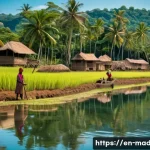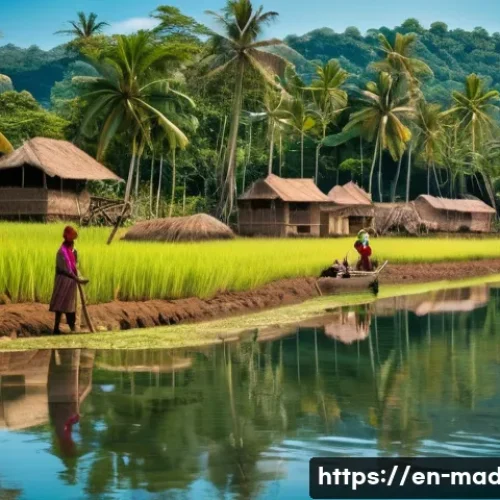
Life in Madagascar is a vibrant tapestry woven with unique traditions, stunning landscapes, and the warmth of its people. From the bustling markets filled with colorful fabrics and exotic spices to the serene countryside dotted with rice paddies and zebu cattle, everyday life is an experience unlike any other.
As someone who’s personally explored the island, I can tell you it’s a place where ancient customs meet modern challenges, creating a truly special cultural blend.
The strong sense of community and the Malagasy people’s resilience are just some of the things that struck me deeply. Let’s delve deeper and see what daily life is really like for the people of Madagascar.
Life in Madagascar is a vibrant tapestry woven with unique traditions, stunning landscapes, and the warmth of its people. From the bustling markets filled with colorful fabrics and exotic spices to the serene countryside dotted with rice paddies and zebu cattle, everyday life is an experience unlike any other.
As someone who’s personally explored the island, I can tell you it’s a place where ancient customs meet modern challenges, creating a truly special cultural blend.
The strong sense of community and the Malagasy people’s resilience are just some of the things that struck me deeply. Let’s delve deeper and see what daily life is really like for the people of Madagascar.
Navigating the “Mora Mora” Lifestyle: Embracing the Slow Pace

Life in Madagascar operates on a different clock. The concept of “mora mora,” meaning “slowly, slowly,” permeates every aspect of life. It’s a refreshing contrast to the hustle of Western societies, but it can take some getting used to.
I remember arriving in Antananarivo, expecting things to move at a certain pace, only to find that patience was the most valuable currency. Whether it’s waiting for a bus or negotiating prices at the market, “mora mora” teaches you to appreciate the present moment.
It’s about savoring the journey, not just rushing to the destination. The lack of urgency can be frustrating at times, especially when you’re on a tight schedule, but it also fosters a sense of calm and allows you to truly connect with the people and the environment around you.
The best way to handle things is to relax and breathe; stress never helps, and you end up appreciating the small details.
The Art of “Fihavanana”: Building Strong Community Bonds
“Fihavanana” is the Malagasy concept of kinship and community harmony. It’s a deep-rooted belief in the importance of maintaining strong relationships and resolving conflicts peacefully.
This emphasis on community means that people are always willing to help each other out. During my travels, I was constantly amazed by the generosity and hospitality of the Malagasy people.
Whether it was sharing a meal, offering a place to stay, or simply lending a helping hand, they always went out of their way to make me feel welcome. The sense of “fihavanana” is particularly evident in rural areas, where communities often work together on collective projects like building houses or farming the land.
This collaborative spirit fosters a sense of belonging and strengthens the social fabric of society. This is one aspect that I found particularly attractive and something that I wished more places were keen to take up as their culture.
Celebrating “Famadihana”: Honoring Ancestors and Family
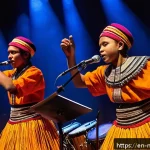
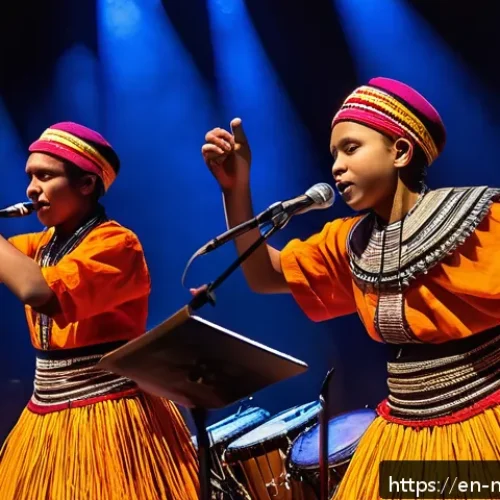
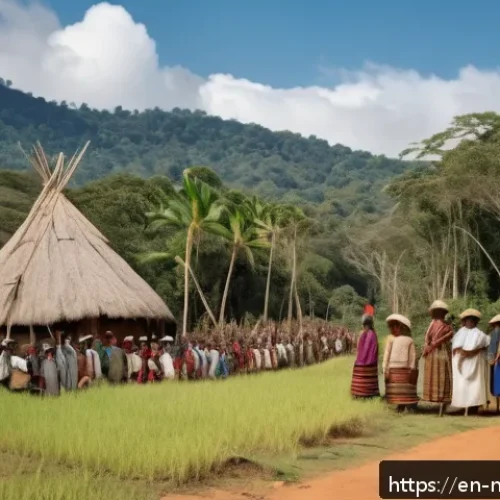
One of the most unique and fascinating traditions in Madagascar is “famadihana,” the turning of the bones. This ceremony involves exhuming the remains of ancestors, rewrapping them in fresh shrouds, and dancing with them to the music of a live band.
It’s a celebration of life and a way to honor the memory of loved ones. While it may seem macabre to outsiders, “famadihana” is a deeply spiritual and emotional event for the Malagasy people.
It’s a time for families to come together, share stories about their ancestors, and strengthen their bonds with the past. I had the chance to witness a “famadihana” ceremony in the highlands, and it was an incredibly moving experience.
Seeing the joy and reverence with which the families treated their ancestors was truly remarkable. The belief is that as long as people remember the ancestors, they are never truly gone.
Culinary Delights: A Taste of Madagascar
Malagasy cuisine is a delightful fusion of flavors, influenced by African, Asian, and European traditions. Rice is the staple food, served with a variety of accompaniments such as “laoka” (side dishes) made with zebu meat, seafood, vegetables, and spices.
One of my favorite dishes is “romazava,” a hearty stew made with meat, greens, and ginger. Another must-try is “koba akondro,” a sweet treat made with ground peanuts, rice flour, and mashed bananas, wrapped in banana leaves and steamed.
Street food is also a big part of the culinary scene, with vendors selling everything from grilled meat skewers to fried cassava chips. Don’t miss out on trying the local “THB” (Three Horses Beer), a refreshing lager that pairs perfectly with any meal.
The Ubiquitous Zebu: More Than Just a Meal
Zebu cattle are an integral part of Malagasy life, serving as a source of food, labor, and wealth. They are often seen grazing in the countryside, pulling carts, and even participating in traditional ceremonies.
Zebu meat is a staple in many Malagasy dishes, and zebu horns are used to make a variety of crafts. Owning zebu is a sign of status, and the animals are often given as gifts or used as dowry in marriage negotiations.
I remember seeing a zebu race during a local festival, and it was quite a spectacle. The jockeys rode bareback, urging their zebu to run as fast as they could.
Vanilla, Chocolate, and Coffee: Madagascar’s Export Treasures
Madagascar is famous for its high-quality vanilla, chocolate, and coffee. The island’s unique climate and soil conditions are ideal for growing these crops, which are exported around the world.
Visiting a vanilla plantation was an eye-opening experience. I learned about the intricate process of pollinating the vanilla orchids by hand and curing the beans to develop their rich flavor.
Similarly, touring a chocolate factory gave me a newfound appreciation for the art of chocolate making. And of course, no trip to Madagascar is complete without sampling the local coffee, which is known for its bold and aromatic taste.
The Rhythms of Daily Life: Work and Leisure
Daily life in Madagascar varies depending on whether you live in a city or a rural area. In cities like Antananarivo, people work in a variety of industries, from government and business to tourism and handicrafts.
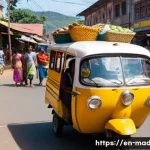
Many people commute by taxi-brousse (bush taxi), a shared minibus that can be quite crowded and chaotic. In rural areas, most people are farmers, cultivating rice, corn, cassava, and other crops.
Life is often more challenging in rural areas, with limited access to healthcare, education, and infrastructure. However, there is also a strong sense of community and a slower pace of life.
Leisure activities include playing traditional music, dancing, storytelling, and spending time with family and friends.
Crafting a Living: The Art of Malagasy Handicrafts
Handicrafts play a significant role in the Malagasy economy, providing income for many families. The markets are filled with a wide variety of handmade goods, including wood carvings, woven baskets, silk scarves, and beaded jewelry.
Each region of Madagascar has its own unique style of craftsmanship, reflecting the local culture and traditions. I was particularly impressed by the intricate wood carvings of the Zafimaniry people, who are known for their elaborate geometric designs.
Buying handicrafts is a great way to support local artisans and take home a piece of Malagasy culture. Remember to haggle respectfully and offer a fair price.
Challenges and Resilience: Overcoming Adversity
Madagascar faces many challenges, including poverty, deforestation, and political instability. However, the Malagasy people are incredibly resilient and resourceful.
They have a strong spirit of entrepreneurship and are always looking for ways to improve their lives. I was inspired by the stories of individuals who had overcome adversity and created successful businesses, providing jobs and opportunities for their communities.
Despite the challenges, the Malagasy people remain optimistic and hopeful for the future.
Exploring Madagascar’s Natural Wonders
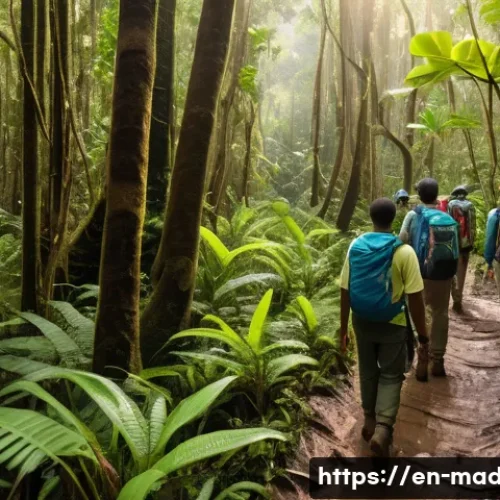
Madagascar is renowned for its unique biodiversity, with a wide variety of plants and animals that are found nowhere else on Earth. From the iconic lemurs to the colorful chameleons, the island is a paradise for nature lovers.
Exploring the national parks and reserves is a must-do for any visitor. I was fortunate enough to visit several different parks, each with its own distinct landscape and wildlife.
Ankarafantsika National Park: The Land of the Coquerel’s Sifaka
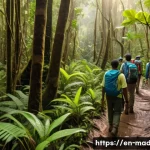
Ankarafantsika National Park is a dry deciduous forest in the northwest of Madagascar. It is home to eight species of lemurs, including the Coquerel’s sifaka, a critically endangered lemur known for its distinctive white fur and black face.
The park also boasts a variety of birds, reptiles, and amphibians. Hiking through the forest, I felt like I was stepping back in time to a prehistoric era.
Isalo National Park: A Canyon Oasis
Isalo National Park is a sandstone massif in the south-central part of Madagascar. It is characterized by its dramatic canyons, towering rock formations, and lush oases.
The park is home to a variety of wildlife, including ring-tailed lemurs, sifakas, and birds. Swimming in the natural pools at the bottom of the canyons was a refreshing experience after a long day of hiking.
Andasibe-Mantadia National Park: Lemur Paradise
Andasibe-Mantadia National Park is a rainforest reserve in the east of Madagascar. It is home to the indri, the largest living lemur, as well as a variety of other lemur species.
The park is also a great place to see chameleons, frogs, and birds. Waking up to the calls of the indri was an unforgettable experience.
A Glimpse into the Future: Sustainable Tourism and Conservation
Madagascar’s future depends on finding a balance between economic development and environmental conservation. Sustainable tourism can play a vital role in this effort, providing income for local communities while protecting the island’s natural resources.
I was encouraged to see the growing number of eco-lodges and community-based tourism initiatives that are popping up around the country. These initiatives offer visitors a chance to experience the real Madagascar while supporting local communities and protecting the environment.
Here is a table summarizing some aspects of daily life in Madagascar:
| Aspect | Description |
|---|---|
| Pace of Life | “Mora mora” – slow, relaxed, patient |
| Community | Strong sense of community (“fihavanana”), emphasis on kinship and cooperation |
| Cuisine | Rice-based, with influences from Africa, Asia, and Europe; zebu meat is a staple |
| Economy | Agriculture, handicrafts, tourism, vanilla, chocolate, and coffee exports |
| Traditions | “Famadihana” – turning of the bones, honoring ancestors |
This is just a small glimpse into the rich and diverse culture of Madagascar. I encourage you to visit the island and experience its unique charm for yourself.
You won’t be disappointed.
Embracing the Unexpected: A Journey of Discovery
Traveling through Madagascar is an adventure in itself. Be prepared for bumpy roads, unreliable transportation, and unexpected delays. But it’s also a chance to discover hidden gems, meet fascinating people, and experience a culture that is unlike any other.
Embrace the unexpected, be open to new experiences, and you will be rewarded with memories that will last a lifetime. My journey to Madagascar was not without its challenges, but it was also one of the most rewarding experiences of my life.
I learned so much about myself, about the world, and about the human spirit. I hope that my stories have inspired you to explore this amazing island and discover its many wonders.
The Importance of Learning Basic Malagasy Phrases
Even a few basic Malagasy phrases can go a long way in making your travels more enjoyable and enriching. Greeting people in their own language shows respect and opens doors to deeper connections.
Simple phrases like “Bonjour” (Hello), “Manao ahoana” (How are you?), “Misaotra” (Thank you), and “Veloma” (Goodbye) will be greatly appreciated. Learning a little bit of the language demonstrates that you are making an effort to understand their culture.
Dressing Respectfully and Adapting to Local Customs
When visiting Madagascar, it’s important to dress respectfully and adapt to local customs. This means avoiding overly revealing clothing, especially when visiting religious sites or rural areas.
It’s also a good idea to remove your shoes before entering someone’s home. Showing respect for the local culture will help you build trust and create positive relationships with the Malagasy people.
I have personally experienced that dressing modestly and respectfully will earn you a lot of respect and goodwill.
The Value of Patience and Flexibility
Patience and flexibility are essential qualities for traveling in Madagascar. Things often don’t go as planned, so it’s important to be able to adapt to changing circumstances.
Buses may be late, roads may be impassable, and prices may fluctuate. But if you can maintain a positive attitude and go with the flow, you’ll be able to handle any situation.
And remember, “mora mora” – take it slowly, and enjoy the ride. Life in Madagascar is a vibrant tapestry woven with unique traditions, stunning landscapes, and the warmth of its people.
From the bustling markets filled with colorful fabrics and exotic spices to the serene countryside dotted with rice paddies and zebu cattle, everyday life is an experience unlike any other.
As someone who’s personally explored the island, I can tell you it’s a place where ancient customs meet modern challenges, creating a truly special cultural blend.
The strong sense of community and the Malagasy people’s resilience are just some of the things that struck me deeply. Let’s delve deeper and see what daily life is really like for the people of Madagascar.
Navigating the “Mora Mora” Lifestyle: Embracing the Slow Pace
Life in Madagascar operates on a different clock. The concept of “mora mora,” meaning “slowly, slowly,” permeates every aspect of life. It’s a refreshing contrast to the hustle of Western societies, but it can take some getting used to. I remember arriving in Antananarivo, expecting things to move at a certain pace, only to find that patience was the most valuable currency. Whether it’s waiting for a bus or negotiating prices at the market, “mora mora” teaches you to appreciate the present moment. It’s about savoring the journey, not just rushing to the destination. The lack of urgency can be frustrating at times, especially when you’re on a tight schedule, but it also fosters a sense of calm and allows you to truly connect with the people and the environment around you. The best way to handle things is to relax and breathe; stress never helps, and you end up appreciating the small details.
The Art of “Fihavanana”: Building Strong Community Bonds
“Fihavanana” is the Malagasy concept of kinship and community harmony. It’s a deep-rooted belief in the importance of maintaining strong relationships and resolving conflicts peacefully. This emphasis on community means that people are always willing to help each other out. During my travels, I was constantly amazed by the generosity and hospitality of the Malagasy people. Whether it was sharing a meal, offering a place to stay, or simply lending a helping hand, they always went out of their way to make me feel welcome. The sense of “fihavanana” is particularly evident in rural areas, where communities often work together on collective projects like building houses or farming the land. This collaborative spirit fosters a sense of belonging and strengthens the social fabric of society. This is one aspect that I found particularly attractive and something that I wished more places were keen to take up as their culture.
Celebrating “Famadihana”: Honoring Ancestors and Family
One of the most unique and fascinating traditions in Madagascar is “famadihana,” the turning of the bones. This ceremony involves exhuming the remains of ancestors, rewrapping them in fresh shrouds, and dancing with them to the music of a live band. It’s a celebration of life and a way to honor the memory of loved ones. While it may seem macabre to outsiders, “famadihana” is a deeply spiritual and emotional event for the Malagasy people. It’s a time for families to come together, share stories about their ancestors, and strengthen their bonds with the past. I had the chance to witness a “famadihana” ceremony in the highlands, and it was an incredibly moving experience. Seeing the joy and reverence with which the families treated their ancestors was truly remarkable. The belief is that as long as people remember the ancestors, they are never truly gone.
Culinary Delights: A Taste of Madagascar
Malagasy cuisine is a delightful fusion of flavors, influenced by African, Asian, and European traditions. Rice is the staple food, served with a variety of accompaniments such as “laoka” (side dishes) made with zebu meat, seafood, vegetables, and spices. One of my favorite dishes is “romazava,” a hearty stew made with meat, greens, and ginger. Another must-try is “koba akondro,” a sweet treat made with ground peanuts, rice flour, and mashed bananas, wrapped in banana leaves and steamed. Street food is also a big part of the culinary scene, with vendors selling everything from grilled meat skewers to fried cassava chips. Don’t miss out on trying the local “THB” (Three Horses Beer), a refreshing lager that pairs perfectly with any meal.
The Ubiquitous Zebu: More Than Just a Meal
Zebu cattle are an integral part of Malagasy life, serving as a source of food, labor, and wealth. They are often seen grazing in the countryside, pulling carts, and even participating in traditional ceremonies. Zebu meat is a staple in many Malagasy dishes, and zebu horns are used to make a variety of crafts. Owning zebu is a sign of status, and the animals are often given as gifts or used as dowry in marriage negotiations. I remember seeing a zebu race during a local festival, and it was quite a spectacle. The jockeys rode bareback, urging their zebu to run as fast as they could.
Vanilla, Chocolate, and Coffee: Madagascar’s Export Treasures
Madagascar is famous for its high-quality vanilla, chocolate, and coffee. The island’s unique climate and soil conditions are ideal for growing these crops, which are exported around the world. Visiting a vanilla plantation was an eye-opening experience. I learned about the intricate process of pollinating the vanilla orchids by hand and curing the beans to develop their rich flavor. Similarly, touring a chocolate factory gave me a newfound appreciation for the art of chocolate making. And of course, no trip to Madagascar is complete without sampling the local coffee, which is known for its bold and aromatic taste.
The Rhythms of Daily Life: Work and Leisure
Daily life in Madagascar varies depending on whether you live in a city or a rural area. In cities like Antananarivo, people work in a variety of industries, from government and business to tourism and handicrafts. Many people commute by taxi-brousse (bush taxi), a shared minibus that can be quite crowded and chaotic. In rural areas, most people are farmers, cultivating rice, corn, cassava, and other crops. Life is often more challenging in rural areas, with limited access to healthcare, education, and infrastructure. However, there is also a strong sense of community and a slower pace of life. Leisure activities include playing traditional music, dancing, storytelling, and spending time with family and friends.
Crafting a Living: The Art of Malagasy Handicrafts
Handicrafts play a significant role in the Malagasy economy, providing income for many families. The markets are filled with a wide variety of handmade goods, including wood carvings, woven baskets, silk scarves, and beaded jewelry. Each region of Madagascar has its own unique style of craftsmanship, reflecting the local culture and traditions. I was particularly impressed by the intricate wood carvings of the Zafimaniry people, who are known for their elaborate geometric designs. Buying handicrafts is a great way to support local artisans and take home a piece of Malagasy culture. Remember to haggle respectfully and offer a fair price.
Challenges and Resilience: Overcoming Adversity
Madagascar faces many challenges, including poverty, deforestation, and political instability. However, the Malagasy people are incredibly resilient and resourceful. They have a strong spirit of entrepreneurship and are always looking for ways to improve their lives. I was inspired by the stories of individuals who had overcome adversity and created successful businesses, providing jobs and opportunities for their communities. Despite the challenges, the Malagasy people remain optimistic and hopeful for the future.
Exploring Madagascar’s Natural Wonders
Madagascar is renowned for its unique biodiversity, with a wide variety of plants and animals that are found nowhere else on Earth. From the iconic lemurs to the colorful chameleons, the island is a paradise for nature lovers. Exploring the national parks and reserves is a must-do for any visitor. I was fortunate enough to visit several different parks, each with its own distinct landscape and wildlife.
Ankarafantsika National Park: The Land of the Coquerel’s Sifaka
Ankarafantsika National Park is a dry deciduous forest in the northwest of Madagascar. It is home to eight species of lemurs, including the Coquerel’s sifaka, a critically endangered lemur known for its distinctive white fur and black face. The park also boasts a variety of birds, reptiles, and amphibians. Hiking through the forest, I felt like I was stepping back in time to a prehistoric era.
Isalo National Park: A Canyon Oasis
Isalo National Park is a sandstone massif in the south-central part of Madagascar. It is characterized by its dramatic canyons, towering rock formations, and lush oases. The park is home to a variety of wildlife, including ring-tailed lemurs, sifakas, and birds. Swimming in the natural pools at the bottom of the canyons was a refreshing experience after a long day of hiking.
Andasibe-Mantadia National Park: Lemur Paradise
Andasibe-Mantadia National Park is a rainforest reserve in the east of Madagascar. It is home to the indri, the largest living lemur, as well as a variety of other lemur species. The park is also a great place to see chameleons, frogs, and birds. Waking up to the calls of the indri was an unforgettable experience.
A Glimpse into the Future: Sustainable Tourism and Conservation
Madagascar’s future depends on finding a balance between economic development and environmental conservation. Sustainable tourism can play a vital role in this effort, providing income for local communities while protecting the island’s natural resources. I was encouraged to see the growing number of eco-lodges and community-based tourism initiatives that are popping up around the country. These initiatives offer visitors a chance to experience the real Madagascar while supporting local communities and protecting the environment.
Here is a table summarizing some aspects of daily life in Madagascar:
| Aspect | Description |
|---|---|
| Pace of Life | “Mora mora” – slow, relaxed, patient |
| Community | Strong sense of community (“fihavanana”), emphasis on kinship and cooperation |
| Cuisine | Rice-based, with influences from Africa, Asia, and Europe; zebu meat is a staple |
| Economy | Agriculture, handicrafts, tourism, vanilla, chocolate, and coffee exports |
| Traditions | “Famadihana” – turning of the bones, honoring ancestors |
This is just a small glimpse into the rich and diverse culture of Madagascar. I encourage you to visit the island and experience its unique charm for yourself. You won’t be disappointed.
Embracing the Unexpected: A Journey of Discovery
Traveling through Madagascar is an adventure in itself. Be prepared for bumpy roads, unreliable transportation, and unexpected delays. But it’s also a chance to discover hidden gems, meet fascinating people, and experience a culture that is unlike any other. Embrace the unexpected, be open to new experiences, and you will be rewarded with memories that will last a lifetime. My journey to Madagascar was not without its challenges, but it was also one of the most rewarding experiences of my life. I learned so much about myself, about the world, and about the human spirit. I hope that my stories have inspired you to explore this amazing island and discover its many wonders.
The Importance of Learning Basic Malagasy Phrases
Even a few basic Malagasy phrases can go a long way in making your travels more enjoyable and enriching. Greeting people in their own language shows respect and opens doors to deeper connections. Simple phrases like “Bonjour” (Hello), “Manao ahoana” (How are you?), “Misaotra” (Thank you), and “Veloma” (Goodbye) will be greatly appreciated. Learning a little bit of the language demonstrates that you are making an effort to understand their culture.
Dressing Respectfully and Adapting to Local Customs
When visiting Madagascar, it’s important to dress respectfully and adapt to local customs. This means avoiding overly revealing clothing, especially when visiting religious sites or rural areas. It’s also a good idea to remove your shoes before entering someone’s home. Showing respect for the local culture will help you build trust and create positive relationships with the Malagasy people. I have personally experienced that dressing modestly and respectfully will earn you a lot of respect and goodwill.
The Value of Patience and Flexibility
Patience and flexibility are essential qualities for traveling in Madagascar. Things often don’t go as planned, so it’s important to be able to adapt to changing circumstances. Buses may be late, roads may be impassable, and prices may fluctuate. But if you can maintain a positive attitude and go with the flow, you’ll be able to handle any situation. And remember, “mora mora” – take it slowly, and enjoy the ride.
In Conclusion
Madagascar is a land of contrasts and surprises, a place where ancient traditions meet the challenges of the modern world. Its people are warm and resilient, its landscapes breathtaking, and its culture rich and unique. I hope this glimpse into daily life in Madagascar has sparked your curiosity and inspired you to consider a visit. It’s an experience you won’t soon forget.
Good to Know Information
1. Currency: The local currency is the Malagasy Ariary (MGA). Credit cards are not widely accepted outside of major hotels and restaurants in big cities, so it’s best to carry cash. ATMs are available in larger towns and cities. Be sure to check the current exchange rates before you travel.
2. Health: Consult your doctor about recommended vaccinations and malaria prophylaxis before traveling to Madagascar. It’s also a good idea to pack insect repellent and a basic first-aid kit. Drink bottled or purified water and avoid eating raw or undercooked food from street vendors.
3. Safety: While Madagascar is generally safe for tourists, it’s important to take precautions against petty theft, especially in crowded areas. Avoid walking alone at night and keep your valuables secure. Be aware of your surroundings and trust your instincts.
4. Transportation: Getting around Madagascar can be an adventure in itself. Taxi-brousses (bush taxis) are the most common form of public transport, but they can be crowded and unreliable. Consider hiring a private car or driver for longer journeys, especially to remote areas. Domestic flights are also an option, but they can be expensive.
5. Tipping: Tipping is not mandatory in Madagascar, but it is appreciated for good service. A tip of 10% is customary in restaurants and for tour guides and drivers. It’s also a nice gesture to leave a small tip for hotel staff who provide exceptional service.
Key Takeaways
– Embrace the “mora mora” lifestyle and be patient.
– Respect local customs and traditions.
– Learn a few basic Malagasy phrases.
– Be prepared for challenges and unexpected delays.
– Support local communities by buying handicrafts and staying in eco-lodges.
Frequently Asked Questions (FAQ) 📖
Q: What’s the food like in Madagascar?
A: Oh, the food is an adventure in itself! Rice is a staple, often served with laoka – which is basically anything eaten with rice. Think zebu (a local type of cattle) dishes, seafood curries bursting with flavors from local spices, or even simpler things like beans and greens.
I remember trying romazava, a traditional stew, and it was so comforting. And if you’re brave, sample some koba, a peanut and rice cake wrapped in banana leaves—it’s definitely an acquired taste!
Just be careful with the water; stick to bottled water to avoid any tummy troubles.
Q: Is it safe to travel around Madagascar?
A: That’s a smart question. Like any place, Madagascar has its safe and less safe areas. I found that sticking to tourist areas and traveling with reputable guides made a big difference.
Petty theft can be an issue, so keep an eye on your belongings, especially in crowded markets. I learned that lesson the hard way when I almost lost my camera strap.
The bigger cities can get a little dicey at night, so it’s best to avoid walking alone then. But overall, I found the people incredibly welcoming and helpful, which made me feel much more at ease.
Q: What’s the biggest challenge people face in their daily lives?
A: Honestly, it’s poverty. I saw firsthand how tough things are for many Malagasy people. Access to basic necessities like clean water, healthcare, and education is a daily struggle.
Infrastructure is often lacking, making transportation difficult, and job opportunities are scarce. Despite these challenges, the people are incredibly resilient and resourceful.
I remember meeting a group of women who were starting a small business selling handmade crafts, and their determination was truly inspiring. It really makes you appreciate what you have.
📚 References
Wikipedia Encyclopedia
구글 검색 결과
구글 검색 결과
구글 검색 결과
구글 검색 결과
구글 검색 결과